

















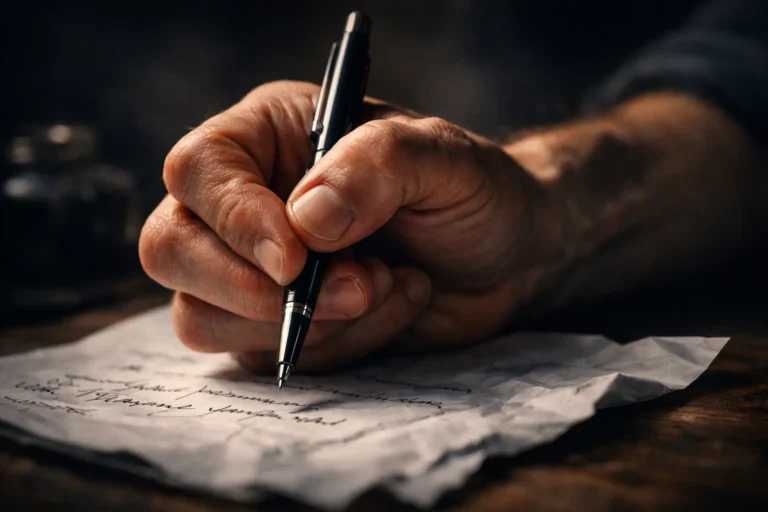
There is a moment that many people never talk about, a strange and deeply frustrating experience where your hand suddenly stops obeying you while writing, where the pen feels heavier than it should, your fingers tighten without warning, and your handwriting becomes distorted, shaky, or simply impossible to continue, and what makes it even more confusing is that everything feels normal until the exact second it does not.
At first, most people dismiss it as fatigue, stress, or poor posture, thinking that maybe they just need rest or a better grip, but when it keeps happening again and again, always during writing and nowhere else, that is when the quiet reality begins to surface, a condition that is often misunderstood, underdiagnosed, and emotionally exhausting: task-specific dystonia.
This is not just about writing, this is about control, identity, and the silent battle between your brain and your body.
What Exactly Is Task-Specific Dystonia?
Task-specific dystonia is a neurological movement disorder that affects a person only during a specific activity, meaning your hand may work perfectly fine for everything else, like typing, lifting objects, or even drawing, but the moment you pick up a pen to write, something goes wrong, and that selective disruption is what makes this condition both unique and difficult to understand.
A well-known form of this condition is writer’s cramp, but it goes far beyond just cramping, because what actually happens is a breakdown in the brain’s ability to control fine motor movements, leading to involuntary muscle contractions, abnormal postures, and sometimes a complete freezing of movement.
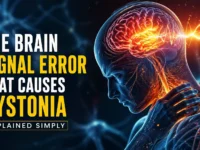
According to research published by the National Institute of Neurological Disorders and Stroke, dystonia involves abnormal signaling in the brain regions responsible for movement coordination, especially the basal ganglia, which plays a key role in controlling voluntary actions.
You can explore more about the neurological basis here:
https://www.ninds.nih.gov/health-information/disorders/dystonias
The Moment Your Hand Stops Listening
People who experience this often describe it in very specific ways, and almost all of them share a similar pattern, where writing starts normally, and then slowly or suddenly, the hand tightens, the grip becomes awkward, fingers curl or extend unnaturally, and sometimes the pen simply slips away or stops moving altogether.
This “freezing” sensation is not just physical, it carries a deep emotional impact, because it creates a sense of unpredictability, and when something as simple as writing your name becomes difficult, it starts affecting confidence, work, and daily life in ways that are hard to explain to others.
Some common signs include:
- Hand tightening or cramping only while writing
- Fingers curling inward or stretching outward uncontrollably
- Sudden loss of control or coordination
- Writing becoming slow, messy, or impossible
- Pain or discomfort during the task
- A feeling that the hand is “stuck” or frozen
And the most important detail is this: these symptoms often disappear when the task stops.
Why Does This Happen? The Brain’s Hidden Misfire
The truth behind task-specific dystonia lies deep within the brain, where movement patterns are stored and refined over time, and while repetition is normally a good thing that helps us become skilled, in some cases, excessive repetition can lead to abnormal rewiring.
This means that the brain begins to lose the ability to separate different muscle movements clearly, leading to overlap, confusion, and involuntary contractions, and instead of smooth, controlled motion, the signals become chaotic.
A study published in The Lancet Neurology highlights how repetitive fine motor tasks can cause maladaptive plasticity, where the brain reorganizes itself in a way that actually disrupts function rather than improving it.
You can read more about this here:
https://www.thelancet.com/journals/laneur/article/PIIS1474-4422(14)70225-7/fulltext
This is why people who write a lot, such as students, professionals, artists, or musicians, may be more vulnerable, although it can happen to anyone.
It’s Not Just Physical — The Emotional Toll Is Real
One of the most overlooked aspects of task-specific dystonia is the emotional and psychological impact it creates, because when your body stops cooperating during a basic task, it can lead to frustration, embarrassment, anxiety, and even avoidance.
Many people begin to hide their symptoms, avoid writing in public, or switch to typing completely, and while that may seem like a solution, it often does not address the underlying issue.
Over time, this can affect work performance, academic progress, and even social interactions, especially in situations where handwriting is still required.
There is also a constant internal question that many people carry:
“Why is this happening to me when everything else works fine?”
Diagnosis: Why It Often Gets Missed
One of the biggest challenges with task-specific dystonia is that it is frequently misdiagnosed or dismissed, especially in the early stages, because routine tests often come back normal, and unless a specialist observes the symptoms during the specific task, the condition can go unnoticed.
Neurologists who specialize in movement disorders are usually the best professionals to identify it, and diagnosis is typically based on clinical observation rather than a single test.
More information on diagnosis can be found here:
https://www.mayoclinic.org/diseases-conditions/dystonia/diagnosis-treatment/drc-20350484
Treatment Options: What Can Actually Help?
While there is currently no universal cure, there are several treatment approaches that can significantly improve symptoms, and the effectiveness varies from person to person.
1. Botulinum Toxin Injections
These injections help relax overactive muscles and are commonly used for focal dystonia, although finding the right dosage and muscle targets can take time and precision.
2. Occupational Therapy
Therapists can help retrain movement patterns and introduce adaptive techniques, such as changing grip, posture, or writing tools.
3. Sensory Tricks
Some people discover that touching a specific part of their hand or changing the way they hold the pen can temporarily reduce symptoms, a phenomenon known as a “sensory trick.”
4. Medications
Certain medications may help reduce muscle activity, although results vary and side effects must be considered.
5. Brain Retraining Techniques
Emerging approaches focus on neuroplasticity, aiming to rewire the brain through structured exercises and repetitive retraining.
You can explore treatment insights here:
https://dystonia-foundation.org/what-is-dystonia/treatment/
Can It Get Worse Over Time?
For some people, symptoms remain stable, while for others, they may gradually worsen or spread, although task-specific dystonia often stays limited to the original activity.
Early intervention can make a significant difference, especially when combined with awareness and proper management strategies.
Living With It: Adapting Without Giving Up
Living with task-specific dystonia does not mean giving up on writing or the activities you love, but it does require adaptation, patience, and a willingness to experiment with different approaches.
Many people find relief through small but meaningful changes, like switching to thicker pens, adjusting writing angles, taking frequent breaks, or incorporating relaxation techniques into their routine.
Others transition to digital tools when needed, but still continue working on improving their condition through therapy and practice.
The key is understanding that this is not a failure of effort, but a neurological condition that requires a different kind of strategy.
A Reality That Needs More Awareness
Despite affecting thousands of people, task-specific dystonia remains largely under-recognized, and many individuals suffer in silence, believing they are alone or that their symptoms are not serious enough to seek help.
Raising awareness is crucial, not just for early diagnosis, but also for reducing stigma and encouraging open conversations about neurological conditions that are not always visible.
Important Disclaimer
This article is intended for informational purposes only and should not be considered medical advice, diagnosis, or treatment, and if you are experiencing symptoms such as hand freezing, muscle tightness, or loss of control while writing, it is important to consult a qualified neurologist or healthcare professional for proper evaluation and guidance.
Frequently Asked Questions
What is the difference between writer’s cramp and general hand cramp?
Writer’s cramp is a form of task-specific dystonia and is neurological in nature, while general hand cramps are usually caused by fatigue, dehydration, or muscle strain.
Can stress cause my hand to freeze while writing?
Stress can worsen symptoms, but it is not the root cause of task-specific dystonia, which involves abnormal brain signaling.
Is task-specific dystonia permanent?
It varies, some people experience stable symptoms, while others see improvement with treatment and therapy.
Can I still write normally again?
Many people regain partial or significant control through treatment, retraining, and adaptive techniques, although it may take time.
Should I stop writing completely?
Not necessarily, but modifying how you write and working with a specialist can help prevent worsening symptoms.
Final Thoughts
If your hand freezes while writing, it is not something you should ignore or push through silently, because what may seem like a small inconvenience could be a sign of a deeper neurological condition that deserves attention, understanding, and proper care, and the sooner you recognize it, the better your chances of managing it effectively and reclaiming control over something as simple, yet powerful, as putting pen to paper.
By Ronald Kapper



0 Comments