


















Living with dystonia is not about finding one big solution that fixes everything. It is about small adjustments that slowly change how each day feels. It is about learning your body in a way most people never have to. And over time, it becomes less about fighting the condition and more about building a life that works alongside it.
For many, the hardest part is not the diagnosis itself, but the everyday reality that follows. The mornings, the routines, the unexpected flare-ups, and the quiet effort it takes to do simple things. But somewhere within that daily experience, people begin to discover what actually helps, not in theory, but in real life.
This article is not built on empty promises. It is shaped around what people living with dystonia have found useful in their day-to-day lives, combined with trusted medical understanding. It is honest, practical, and focused on what truly makes a difference.
Understanding What You Are Dealing With
Dystonia is not a single experience. It varies widely from person to person. Some feel mild tightness. Others deal with strong muscle contractions that affect movement, posture, and even confidence in public spaces.
According to the Dystonia Medical Research Foundation, dystonia involves involuntary muscle contractions that cause repetitive movements or abnormal postures, and these symptoms can change throughout the day depending on stress, fatigue, and activity levels.
That last part matters. Because it means there is room to influence how the day unfolds.
Start with the Morning, Because It Shapes Everything
How your day begins often sets the tone for everything that follows. Many people with dystonia notice that rushing into the day makes symptoms feel worse.
Instead, mornings that begin slowly tend to feel more manageable.
This might look like:
- Sitting up gradually instead of jumping out of bed
- Giving muscles a few minutes to adjust
- Doing gentle stretches before moving too much
- Letting the body “wake up” in its own time
This is not about being slow. It is about being strategic.
Some people find that even a warm shower early in the morning can relax muscles enough to make the rest of the day easier. The heat helps loosen tight areas, especially in cases like cervical dystonia where the neck and shoulders are heavily involved.
Medical guidance from the Mayo Clinic also supports the use of heat therapy and gentle movement as part of symptom management for muscle-related conditions.
Build a Routine That Works for You, Not Against You
One of the biggest turning points for many people is when they stop trying to force a “normal” routine and instead build one that fits their condition.
A helpful routine is not rigid. It is flexible but consistent.
It includes:
- Planned breaks before fatigue hits
- Spacing out tasks instead of stacking them
- Avoiding sudden movements that trigger spasms
- Knowing when to stop before symptoms worsen
This kind of routine reduces surprises. And with dystonia, fewer surprises often mean fewer flare-ups.
Movement Helps, But It Has to Be the Right Kind
Exercise is often recommended, but not all movement feels good for someone with dystonia.
The key is gentle, controlled movement rather than intense or repetitive strain.
Some people benefit from:
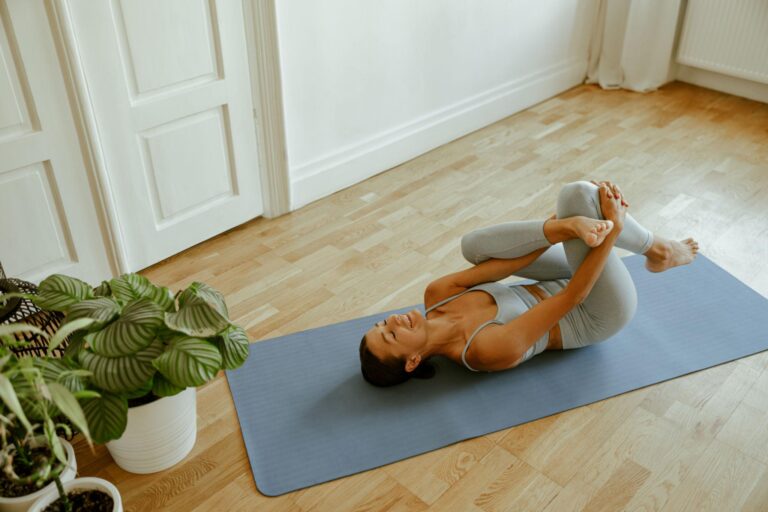
- Light stretching
- Slow yoga
- Short walks
- Guided physical therapy exercises
The goal is not to push limits. It is to keep the body moving without triggering discomfort.
The National Institute of Neurological Disorders and Stroke notes that physical therapy can help improve posture, mobility, and muscle control in some individuals with dystonia, although responses vary.
Listening to the body becomes more important than following a fixed plan.
Stress Is Not Just Mental, It Shows Up in the Body
Stress has a direct impact on dystonia symptoms. Many people notice that their muscles tighten more during stressful moments, even if the stress feels small.
This is why managing stress is not optional. It is part of symptom management.
That does not mean eliminating stress completely, which is unrealistic. It means finding ways to reduce its impact.
Some simple approaches include:
- Deep breathing exercises
- Quiet time without screens
- Listening to calming music
- Stepping away from overwhelming situations
Even a few minutes of calm can change how the body responds.
Sleep Is Not Just Rest, It Is Recovery
Poor sleep can make dystonia symptoms feel worse the next day. And unfortunately, dystonia itself can interfere with sleep.
This creates a cycle that can be difficult to break.
Improving sleep does not always require major changes. Sometimes small adjustments help:
- Using supportive pillows that reduce strain
- Keeping a consistent sleep schedule
- Avoiding heavy screen use before bed
- Creating a calm sleeping environment
Better sleep does not remove dystonia, but it can make symptoms more manageable.
Medication and Treatment Play a Role, But They Are Not the Whole Story
Medical treatment is an important part of managing dystonia. This may include medications, injections, or other therapies depending on the individual case.
However, what many people discover is that treatment works best when combined with daily lifestyle adjustments.
It is not one or the other. It is both.
Always follow guidance from a qualified healthcare provider, as treatment plans differ based on the type and severity of dystonia.
Learning Triggers Changes Everything
One of the most useful things a person can do is identify what makes their symptoms worse.
Common triggers may include:
- Stress
- Fatigue
- Sudden movements
- Poor posture
- Long periods in one position
Once these triggers are recognized, they can often be reduced or avoided.
This awareness gives a sense of control, even in a condition that can feel unpredictable.
Posture Is More Important Than Most People Realize
Posture plays a huge role, especially for those with cervical dystonia.
Small adjustments can reduce strain significantly:
- Keeping screens at eye level
- Avoiding slouching
- Supporting the neck during rest
- Using ergonomic chairs
These changes may seem minor, but over time, they can make daily life more comfortable.
Support Systems Matter More Than You Think
Living with dystonia can feel isolating, especially because it is not always visible to others.
This is where support becomes important.
Connecting with others who understand the condition can make a big difference. Whether through online communities or local groups, shared experiences provide reassurance and practical advice.
Organizations like Dystonia Europe offer resources, awareness, and support networks that help people feel less alone in their journey.
The Mental Shift That Changes Everything
At some point, many people with dystonia go through a shift.
Instead of asking, “Why is this happening?” they begin asking, “What helps me live better with this?”
That shift does not remove frustration, but it changes direction.
It turns attention toward solutions instead of constant struggle.
And over time, that makes a difference.
Living Better Does Not Mean Perfect Days
There will still be difficult days. That does not change.
But living better means those days no longer define everything.
It means:
- Knowing what helps and using it
- Accepting slower days without guilt
- Finding small moments of ease
- Building a life that works, even with limitations
It is not about control. It is about balance.
A Thought That Stays With Many People
One of the most powerful realizations is this:
You may not control the condition completely, but you can influence how your day unfolds.
That influence grows with time, awareness, and patience.
And it adds up.
Important Disclaimer
This article is for informational purposes only and is based on shared experiences and publicly available medical knowledge. It is not a substitute for professional medical advice, diagnosis, or treatment.
Dystonia varies widely between individuals. Always consult a qualified healthcare professional for personalized care and treatment options.
Frequently Asked Questions (FAQs)
1. What helps most in daily dystonia management?
Small, consistent habits like gentle movement, structured routines, stress management, and proper rest often make the biggest difference.
2. Can lifestyle changes really improve dystonia symptoms?
They may not remove symptoms completely, but they can help reduce severity and improve daily comfort.
3. Is exercise safe for people with dystonia?
Yes, but it should be gentle and guided. Overexertion can sometimes worsen symptoms.
4. Why do symptoms change from day to day?
Factors like stress, sleep, fatigue, and activity levels can all influence how symptoms appear.
5. Is it possible to live a normal life with dystonia?
Life may look different, but many people build meaningful, active lives by adapting routines and focusing on what works for them.
Final Words
Living better with dystonia is not about waiting for a cure or hoping for a perfect day.
It is about understanding your body, adjusting your habits, and building a rhythm that supports you instead of working against you.
Some days will still be hard.
But many days can be better.
And over time, those better days begin to matter more.



0 Comments