


















By Ronald Kapper
For a long time, the idea of exercise and dystonia did not seem like a natural fit, because when your body already feels unpredictable, the thought of pushing it further can feel intimidating, even risky, and many people living with dystonia hesitate before trying any kind of structured movement, not because they do not want to improve, but because they are unsure how their body will respond.
What is changing now is not just the conversation, but the experience of patients themselves, because more people are beginning to explore movement in careful, intentional ways, and what they are discovering is not a miracle cure, but something far more realistic and meaningful—small, steady improvements that build over time, greater body awareness, and moments of control that once felt out of reach.
Why Exercise Was Once Avoided
To understand why exercise is now gaining attention, it helps to look at why it was often avoided in the first place, and the reason is simple, dystonia affects muscle control, so any activity that involves movement can sometimes trigger or worsen symptoms, especially when done without guidance or understanding.
Many patients have experienced situations where physical effort increased muscle contractions or made movements more uncomfortable, which led to a natural fear of doing more harm than good, and that fear stayed with them.
But as research and patient experiences continue to grow, a more balanced understanding is emerging, one that does not treat exercise as a risk to avoid, but as a tool that needs to be used carefully and correctly.
Organizations like the Dystonia Medical Research Foundation and the National Institute of Neurological Disorders and Stroke have also highlighted the role of physical therapy and guided movement in managing symptoms, especially when tailored to individual needs.
What Patients Are Actually Experiencing
The most powerful insights are not always coming from clinical papers, but from people who are living with dystonia every single day, experimenting carefully, learning through trial and error, and sharing what works for them.
Some patients report that gentle stretching reduces stiffness and helps muscles feel less locked, others say that slow, controlled exercises improve coordination over time, and many describe a deeper awareness of their body, which allows them to anticipate and manage symptoms better.
What stands out is not a single method or routine, but a pattern, movement that is slow, mindful, and consistent seems to offer more benefit than intense or sudden activity, and this shift in approach is making exercise more accessible for people who once avoided it completely.
The Role of Physical Therapy
One of the most important discoveries in recent years is that not all exercise is equal, and this is where physical therapy plays a key role, because it focuses on guided, personalized movement rather than general fitness routines.
A trained therapist can identify specific muscle patterns, triggers, and imbalances, and then design exercises that support better control instead of increasing strain, and for many patients, this has been a turning point.
Techniques such as posture correction, sensory tricks, and targeted muscle training are often included, and while progress may be slow, it is usually steady when approached with patience.
Reliable resources such as
https://www.ninds.nih.gov/health-information/disorders/dystonias
and
https://dystonia-foundation.org/living-dystonia/treatment/physical-therapy/
provide further insights into how structured therapy can support symptom management.
Gentle Movement That Makes a Difference
When people hear the word exercise, they often think of intense workouts, heavy lifting, or fast-paced routines, but for dystonia, the most effective movements are often the simplest ones, done slowly and with full awareness.
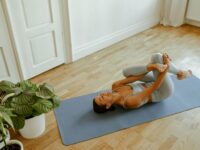
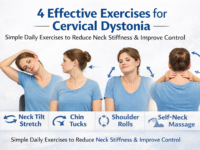
Activities like stretching, light yoga, controlled breathing exercises, and even walking at a steady pace can have a noticeable impact, not because they eliminate symptoms, but because they help the body find a more balanced state.
Many patients describe a feeling of “reset” after gentle movement, where muscles feel less tense and movements become slightly smoother, and while these changes may not last forever, they can make daily life more manageable.
The Connection Between Mind and Movement
One of the most overlooked aspects of dystonia is how closely it is linked to the nervous system, which means that mental and emotional states can influence physical symptoms, sometimes more than expected.
Exercise that includes a calming element, such as breathing techniques or mindful focus, can help regulate this connection, creating a sense of stability that extends beyond the physical body.
Practices inspired by disciplines like Yoga and Pilates are often mentioned by patients as helpful, not because they are intense, but because they encourage controlled, intentional movement.
What Does Not Work as Well
It is just as important to understand what does not seem to help, because this can prevent frustration and setbacks, and one common pattern is that high-intensity workouts, especially those that involve rapid or repetitive movements, can sometimes worsen symptoms rather than improve them.
This does not mean that all forms of exercise are harmful, but it highlights the importance of choosing the right type of activity and avoiding a one-size-fits-all approach.
Listening to the body becomes essential, and knowing when to stop is just as important as knowing when to move.
Building a Routine That Feels Sustainable
One of the biggest challenges is not starting an exercise routine, but maintaining it in a way that feels realistic over time, especially when symptoms can vary from day to day.
Patients who have found success often focus on consistency rather than intensity, choosing short, manageable sessions instead of long, exhausting ones, and allowing flexibility when their body needs rest.
A routine might include a few minutes of stretching in the morning, gentle movement during the day, and relaxation exercises in the evening, and while this may seem simple, it creates a structure that supports the body without overwhelming it.
Real Stories, Real Progress
Across different communities and support groups, stories continue to emerge of people who have slowly improved their quality of life through movement, not by eliminating dystonia, but by learning how to live alongside it more comfortably.
Some talk about regaining confidence in their movements, others describe reduced discomfort during daily tasks, and many highlight the emotional benefit of feeling more in control.
These stories are not identical, and they do not promise the same results for everyone, but they offer something just as valuable—possibility.
The Importance of Patience
If there is one lesson that comes up again and again, it is that progress with dystonia and exercise does not happen quickly, and expecting immediate results can lead to disappointment.
Improvements often come in small steps, sometimes so small they are easy to overlook, but over time, they can add up to meaningful change.
Patience becomes part of the process, not as a passive state, but as an active decision to keep going even when progress feels slow.
A Balanced Perspective
It is important to approach this topic with honesty, because while exercise can help, it is not a cure, and it should not replace medical treatment or professional advice.
Instead, it should be seen as one part of a broader approach that may include medication, therapy, and lifestyle adjustments, all working together to improve quality of life.
Important Disclaimer
This article is based on patient experiences and general information and is intended for educational purposes only, it does not replace medical advice, diagnosis, or treatment, and anyone considering exercise as part of their dystonia management should consult a qualified healthcare professional or neurologist to ensure that their approach is safe and appropriate for their specific condition.
Frequently Asked Questions (FAQs)
1. Can exercise cure dystonia?
No, exercise does not cure dystonia, but it may help manage symptoms and improve overall movement and comfort when done correctly.
2. What type of exercise is best for dystonia?
Gentle, controlled movements such as stretching, yoga, and guided physical therapy are often more beneficial than intense workouts.
3. Can exercise make dystonia worse?
In some cases, especially with high-intensity or repetitive movements, symptoms may worsen, which is why a careful and personalized approach is important.
4. How often should someone with dystonia exercise?
It depends on the individual, but many find that short, consistent sessions work better than long or irregular routines.
5. Should I consult a doctor before starting exercise?
Yes, it is always recommended to consult a healthcare professional or physical therapist before beginning any new exercise routine.
There is no single answer to whether exercise helps dystonia, but there is a growing understanding shaped by real experiences, careful experimentation, and a willingness to try something new, and while the journey may not be simple, it is opening doors to possibilities that once felt closed, showing that even in a condition defined by movement challenges, movement itself may still hold a part of the answer.



0 Comments