














There comes a point in the journey with dystonia when medications feel limited, injections stop working the way they used to, and everyday life begins to revolve around symptoms rather than plans, and it is often at this stage that one term quietly enters the conversation between patient and doctor—Deep Brain Stimulation, commonly called DBS, a treatment that sounds both promising and intimidating at the same time, because while it offers real hope, it also carries real risks that cannot be ignored.
This is not a miracle story, and it is not a warning meant to scare you away, but rather a clear and honest look at what DBS truly is, what it can do, what it cannot do, and why understanding both sides of the picture matters more than anything else before making a decision that could change your life.
What Is Deep Brain Stimulation in Simple Terms
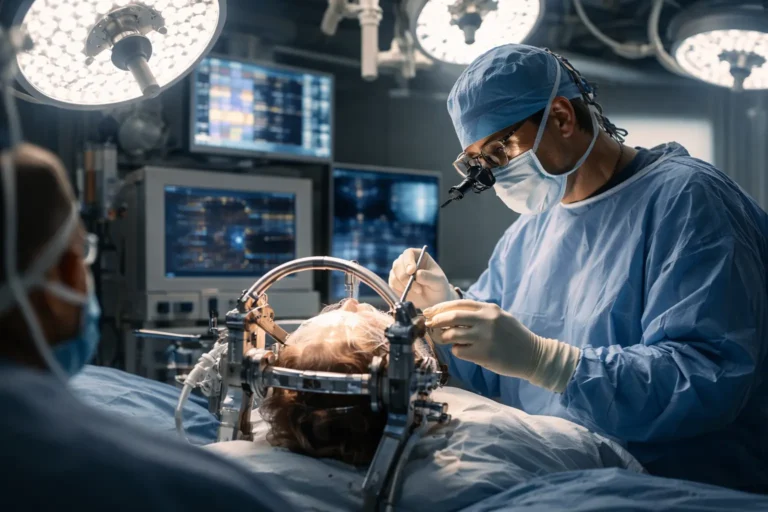
Deep Brain Stimulation is a surgical treatment where thin wires, called electrodes, are placed in specific areas of the brain that control movement, and these electrodes are connected to a small device placed under the skin in the chest, similar to a pacemaker, which sends controlled electrical signals to help regulate abnormal brain activity that causes dystonia symptoms.
In simpler words, it does not remove or damage parts of the brain, instead it gently adjusts how certain signals are being sent, helping the brain communicate with the body in a more balanced way.
If you want to explore a detailed medical overview, trusted resources like
https://dystonia-foundation.org
offer patient-friendly explanations and updates on treatments like DBS.
Why DBS Is Considered for Dystonia
DBS is usually not the first step in treatment, it is considered when other approaches such as medications or botulinum toxin injections no longer provide enough relief, or when side effects begin to outweigh the benefits, and for many people this moment comes after years of trying different options with limited success.
Doctors carefully evaluate each case, looking at the type of dystonia, how severe it is, how the body responds to existing treatments, and overall health before suggesting DBS as a possible next step.
Real Results: What People Actually Experience
This is where things become both hopeful and complicated, because the results of DBS are real, but they are also highly individual.
Many people with dystonia experience a noticeable reduction in muscle spasms, improved posture, and greater control over movements, which can lead to better mobility, reduced pain, and a more independent lifestyle, and in some cases, the change can feel life-changing, allowing people to return to activities they had given up on.
At the same time, improvement is often gradual rather than instant, especially in dystonia, where it may take weeks or even months after surgery for the full benefits to appear as the device is carefully adjusted over multiple sessions.
There are also cases where improvement is partial, not complete, meaning symptoms may still be present but less intense or easier to manage.
Patient stories and shared experiences on platforms like
https://dystoniasupport.eu
highlight this range, where some describe dramatic relief while others speak about steady but moderate progress.
What Improvement Really Means in Daily Life
Improvement does not always mean “normal,” and this is one of the most important things to understand, because DBS is not a cure, it is a tool that helps manage symptoms, and success is often measured in small but meaningful changes like being able to hold your head straighter, walk more comfortably, write with less difficulty, or simply feel less pain throughout the day.
For many, these changes add up to a better quality of life, even if dystonia does not completely disappear.
The Adjustment Phase: A Critical Part of the Journey
After surgery, the device is not simply turned on and left unchanged, it requires careful programming by specialists who adjust the electrical signals over time to find the best balance between symptom relief and side effects, and this process can take several visits, patience, and ongoing communication with your medical team.
This phase is where expectations must stay realistic, because results are shaped not just by the surgery itself, but by how well the system is tuned afterward.
Real Risks: What You Need to Know
Now comes the part that many people hesitate to talk about, but it is just as important as the benefits.
DBS is brain surgery, and like any surgery, it carries risks such as infection, bleeding, or complications related to anesthesia, although serious complications are relatively rare when performed by experienced teams.
There are also device-related risks, including hardware malfunction, battery issues, or the need for additional procedures to replace or adjust parts of the system.
In some cases, people may experience side effects from stimulation itself, such as speech difficulties, balance issues, mood changes, or unusual sensations, which can sometimes be managed by adjusting the device but may still require careful monitoring.
The key is not to fear these risks, but to understand them clearly and discuss them openly with your doctor before making any decisions.
Emotional and Psychological Impact
One aspect that is often overlooked is the emotional side of DBS, because undergoing brain surgery is not just a physical experience, it can also bring anxiety, uncertainty, and even unexpected emotional changes after the procedure.
Some people feel a renewed sense of hope and freedom, while others may struggle with adjusting to changes in their body or expectations that were not fully met, which is why emotional support, counseling, or connecting with others who have gone through DBS can be incredibly helpful.
Who Is the Right Candidate for DBS
Not everyone with dystonia is a suitable candidate for DBS, and careful selection is essential to achieve the best possible outcome.
Doctors typically look for individuals whose symptoms significantly affect daily life, who have not responded well to other treatments, and who are otherwise healthy enough to undergo surgery.
Age, type of dystonia, and duration of symptoms may also influence the decision.
Life After DBS: What Changes and What Stays the Same
Life after DBS often involves a mix of relief and adjustment, because while many symptoms may improve, ongoing care is still required, including regular follow-ups, device adjustments, and sometimes continued use of medications.
The device battery may need replacement after a few years, depending on usage, which means DBS is not a one-time event but an ongoing process.
At the same time, many people report feeling more in control of their lives, able to plan ahead, engage socially, and experience moments of normalcy that once felt out of reach.
Important Disclaimer
This article is for informational purposes only and should not be considered medical advice, and while Deep Brain Stimulation has helped many individuals with dystonia, it is not suitable for everyone, so decisions about treatment should always be made in consultation with a qualified neurologist or neurosurgeon who understands your specific condition and medical history.
Frequently Asked Questions (FAQs)
1. Is Deep Brain Stimulation a cure for dystonia?
No, DBS does not cure dystonia, but it can significantly reduce symptoms and improve quality of life.
2. How long does it take to see results after DBS?
Some people notice changes within weeks, but full results may take several months as the device is adjusted.
3. Is the surgery painful?
The procedure is performed under medical supervision, and discomfort is usually manageable during recovery.
4. Can DBS be reversed or turned off?
Yes, the device can be adjusted or turned off if needed, which is one of its advantages compared to irreversible treatments.
5. What is the success rate of DBS for dystonia?
Success varies, but many patients experience meaningful improvement, especially when carefully selected for the procedure.
Final Thoughts
Deep Brain Stimulation stands at a unique place in the world of dystonia treatment, where science meets hope, but also responsibility, because while it offers real possibilities for relief, it also demands careful thought, honest conversations, and realistic expectations, and the most important step is not rushing into a decision, but taking the time to understand both the results and the risks in a way that feels right for you, your body, and your life.
Written by: Ronald Kapper


0 Comments