


















Living with dystonia is not just about managing visible muscle spasms; it is about navigating an unpredictable body every single day, where even the simplest tasks like writing, walking, or turning your head can suddenly feel unfamiliar, uncomfortable, or completely out of your control, and while medical treatments play an important role, many people quietly discover that small, consistent daily habits can bring a surprising sense of relief, stability, and even confidence back into their lives.
The truth is, there is no one-size-fits-all solution for dystonia, but there are certain natural habits that, when practiced regularly, can help calm the nervous system, reduce the intensity of symptoms, and create moments of ease that slowly add up over time, making life feel a little more manageable and a lot less overwhelming.
Let’s explore these habits in a way that feels real, practical, and actually doable in everyday life.
Why Daily Habits Matter More Than You Think
Dystonia is deeply connected to how the brain communicates with muscles, and when that communication becomes disrupted, the body reacts with involuntary movements, stiffness, or twisting, but what many people don’t realize is that the nervous system is highly sensitive to daily patterns like stress levels, sleep quality, posture, and even breathing, which means small changes in routine can gently influence how symptoms show up.
Instead of chasing quick fixes, building steady habits creates a foundation where the body feels safer, calmer, and less reactive, and that is often where real improvement begins.
1. Start Your Day Slowly and Gently
Rushing in the morning can immediately trigger tension in the body, especially for someone with dystonia, where muscles are already prone to overactivity, so instead of jumping out of bed and diving into tasks, take a few extra minutes to wake up slowly, stretch lightly, and allow your body to adjust.
Even something as simple as sitting upright, rolling your shoulders, or gently moving your neck can help reduce stiffness and prepare your muscles for the day ahead.
This small shift can set the tone for a calmer day.
2. Practice Deep, Controlled Breathing
Breathing may seem too simple to matter, but it has a powerful effect on the nervous system, especially in conditions like dystonia where stress can worsen symptoms.
Try this: inhale slowly through your nose for four seconds, hold for a moment, then exhale gently through your mouth for six seconds, and repeat this for a few minutes.
Over time, this habit can reduce muscle tension, lower stress levels, and create a noticeable sense of calm that directly impacts how your body feels.
3. Use Sensory Tricks That Work for You
Many people with dystonia discover small “sensory tricks” that temporarily reduce symptoms, such as lightly touching the chin, resting a hand on the head, or adjusting posture in a specific way, and while these may seem minor, they can be incredibly effective when used intentionally throughout the day.
The key is to observe your body closely and identify what helps, then turn those moments into a habit rather than relying on them only when symptoms become severe.
4. Keep Your Body Moving, But Not Overloaded
Exercise is important, but intense or sudden movements can sometimes make symptoms worse, so the focus should be on gentle, controlled movement rather than pushing limits.
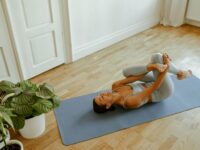
Activities like walking, slow stretching, yoga, or light mobility exercises can help maintain flexibility, improve blood flow, and reduce stiffness without overwhelming the muscles.
Consistency matters more than intensity here.
5. Improve Your Posture Throughout the Day
Posture plays a bigger role than most people expect, especially in cervical dystonia, where head and neck positioning can directly influence muscle activity.
Instead of forcing perfect posture, aim for awareness, keep your shoulders relaxed, avoid slouching, and adjust your workspace so that your screen is at eye level.
Small corrections made regularly can reduce strain and prevent symptoms from escalating.
6. Take Regular Breaks to Reset Your Muscles
Staying in one position for too long can trigger or worsen dystonia symptoms, which is why taking short breaks every 30 to 60 minutes can make a real difference.
Stand up, stretch gently, walk around, or simply change your position, giving your muscles a chance to reset and avoid building up tension.
This is especially helpful for people who work on computers or sit for long hours.
7. Prioritize Restful Sleep
Sleep is not just about rest, it is when the brain resets and repairs itself, and poor sleep can make dystonia symptoms feel more intense and harder to control.
Create a calming bedtime routine, avoid screens before sleep, and keep your sleeping environment quiet and comfortable.
Even small improvements in sleep quality can lead to noticeable changes in how your body feels the next day.
8. Manage Stress in Simple, Real Ways
Stress is one of the most common triggers for worsening dystonia symptoms, and while it cannot be completely avoided, it can be managed through simple habits like spending time outdoors, listening to calming music, journaling your thoughts, or talking to someone who understands your experience.
You do not need complicated techniques, just consistent moments of calm.
9. Stay Hydrated and Eat Balanced Meals
Hydration and nutrition may not seem directly connected to dystonia, but they play a role in muscle function and overall energy levels.
Drink enough water throughout the day and include foods rich in magnesium, potassium, and essential nutrients that support muscle health.
A well-nourished body is better equipped to handle neurological challenges.
10. Build a Routine That Feels Safe and Predictable
Dystonia can feel unpredictable, which is why having a daily routine can create a sense of stability and control.
Waking up at the same time, eating meals regularly, and maintaining consistent habits can help your body and mind feel more grounded.
Over time, this predictability can reduce anxiety and improve symptom management.
11. Connect With Others Who Understand
Living with dystonia can feel isolating, but connecting with others who share similar experiences can be incredibly reassuring and empowering.
Joining support groups or communities can provide practical tips, emotional support, and a sense of belonging that makes the journey less overwhelming.
For example, platforms like
https://dystoniasupport.eu
offer spaces where people from around the world share their experiences and coping strategies.
You can also explore reliable information and patient-focused resources at
https://dystonia-foundation.org
which provides educational content and updates on research.
Important Disclaimer
This article is intended for informational purposes only and does not replace professional medical advice, diagnosis, or treatment, and while these daily habits may help manage symptoms, dystonia varies greatly from person to person, so it is important to consult a qualified healthcare provider before making any changes to your treatment plan or routine.
Frequently Asked Questions (FAQs)
1. Can daily habits really reduce dystonia symptoms?
Yes, while they may not cure dystonia, consistent daily habits can help reduce symptom intensity, improve comfort, and enhance overall quality of life over time.
2. How long does it take to see improvement?
It varies from person to person, but many people notice small changes within a few weeks of consistent practice.
3. Are these habits a replacement for medical treatment?
No, these habits should be used alongside medical treatments, not as a replacement.
4. What is the most effective habit to start with?
Deep breathing and stress management are often the easiest and most effective starting points.
5. Can exercise make dystonia worse?
Intense or incorrect exercise can sometimes worsen symptoms, which is why gentle, controlled movement is recommended.
Final Thoughts
Living with dystonia is not easy, and there are days when nothing seems to work and everything feels exhausting, but in between those difficult moments, there are small opportunities to create comfort, stability, and even progress through simple daily habits that gently support your body rather than fight against it, and while these changes may seem small at first, their impact can grow quietly over time, helping you regain a sense of control, confidence, and hope in ways that truly matter.
Written by: Ronald Kapper



0 Comments