















Why Global Attention on Dystonia Is Growing Fast
By Ronald Kapper
There was a time when dystonia lived almost entirely in the shadows, quietly affecting millions while remaining largely absent from public conversation, misunderstood even within medical spaces, and often dismissed or misdiagnosed in ways that left patients feeling invisible, but something has begun to shift, and not slowly, not quietly, but with a growing force that is now impossible to ignore.
Across continents, across research labs, across patient communities, dystonia is stepping into focus, and the reasons behind this rise in global attention are not simple, not limited to one discovery or one story, but rather a powerful combination of science, human resilience, digital connection, and a long-overdue recognition of what patients have been trying to say for years.
This is not just a trend, and it is not a temporary wave of interest, this is the beginning of something much larger.
The Condition That Was Always There but Rarely Seen
Dystonia has never been rare, and yet it has often been treated as if it were, partly because of how it presents, partly because of how easily it can be mistaken for other conditions, and partly because it does not always fit into clear medical categories that are easy to diagnose and explain.
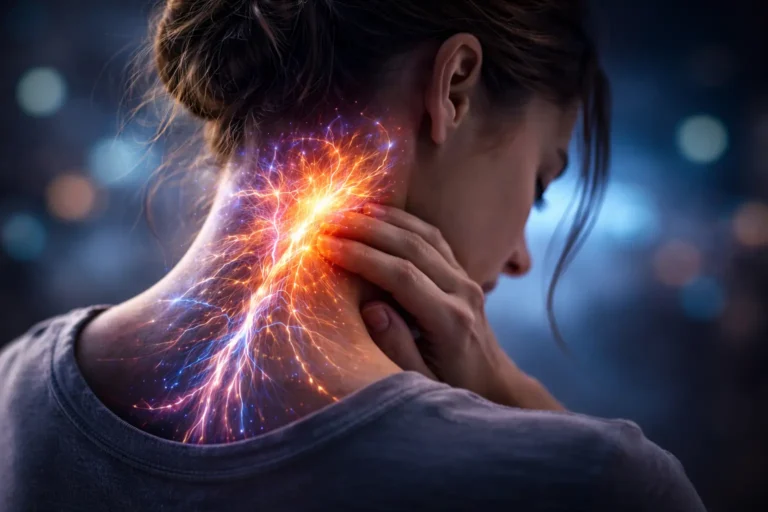
People living with dystonia may experience muscle contractions that twist the body, pull the neck, affect speech, or create movements that seem unusual to those who have never seen them before, and this unfamiliarity has often led to misunderstanding, even stigma.
According to information available through the Dystonia Medical Research Foundation (https://dystonia-foundation.org), dystonia is considered the third most common movement disorder after Parkinson’s disease and essential tremor, yet awareness of it remains far behind.
That gap between prevalence and awareness is one of the key reasons global attention is now rising, because once that gap begins to close, the momentum becomes difficult to stop.
The Power of Patient Voices in the Digital Age
One of the strongest forces driving attention toward dystonia today is not coming from laboratories or hospitals, but from people themselves, from individuals who have chosen to speak, to share, and to show what living with dystonia really looks like.
Social media platforms, online communities, and support groups have become spaces where silence is replaced with storytelling, where confusion is replaced with shared experience, and where isolation begins to break down.
Videos of real people managing dystonia symptoms, explaining their journeys, and supporting others are reaching audiences that traditional awareness campaigns never could.
Websites like Benign Essential Blepharospasm Research Foundation (https://blepharospasm.org) and global patient forums are seeing increased traffic, not just from patients, but from caregivers, doctors, and curious readers trying to understand the condition better.
This visibility matters, because when people see something, they begin to recognize it, and recognition is the first step toward diagnosis, support, and change.
Research Is Accelerating at an Unusual Pace
While patient voices are amplifying awareness, science is quietly catching up, and in recent years, the pace of dystonia research has increased in a way that is beginning to attract serious attention.
Researchers are exploring genetic links, brain circuitry, and environmental triggers, trying to piece together a puzzle that has remained incomplete for decades.
Institutions such as the National Institute of Neurological Disorders and Stroke (https://www.ninds.nih.gov) have expanded their focus on movement disorders, including dystonia, supporting studies that aim to understand not just symptoms, but underlying mechanisms.
There is also growing interest in how dystonia overlaps with other neurological conditions, which is opening new pathways for research collaboration.
This surge in scientific activity is not happening in isolation, it is feeding directly into public awareness, because every new study brings headlines, discussions, and renewed curiosity.
Better Diagnosis Is Changing the Numbers
For years, dystonia has been underdiagnosed, often mistaken for anxiety, muscle strain, or other neurological issues, leading to long delays before patients receive the correct diagnosis.
Now, with increased awareness among doctors and improved diagnostic tools, more cases are being correctly identified, and as those numbers rise, so does global attention.
This does not necessarily mean that dystonia is becoming more common, it means we are finally beginning to see it more clearly.
Medical platforms like Mayo Clinic (https://www.mayoclinic.org) and Cleveland Clinic (https://my.clevelandclinic.org) have expanded their educational content on dystonia, making it easier for both patients and healthcare providers to recognize symptoms early.
That visibility within trusted medical sources plays a crucial role in shaping how seriously the condition is taken worldwide.
Media Coverage Is Finally Catching Up
Another reason for the growing attention is the shift in media coverage, where dystonia is no longer treated as a rare curiosity, but as a significant neurological condition deserving of focus.
News outlets, health platforms, and digital publications are beginning to feature stories about dystonia, often highlighting personal journeys that bring a human face to the condition.
These stories resonate, not because they are dramatic, but because they are real, and they reveal a side of life that many people had never considered before.
Once media begins to pay attention, the ripple effect spreads quickly, reaching audiences who may have never encountered the term before.
Advances in Treatment Are Creating Hope
Attention grows where hope exists, and in the case of dystonia, hope is becoming more visible through advances in treatment.
Botulinum toxin injections have long been a primary option, but newer approaches, including refined deep brain stimulation techniques and experimental therapies, are offering additional possibilities.
Research shared through Johns Hopkins Medicine (https://www.hopkinsmedicine.org) suggests that understanding brain networks may lead to more targeted treatments in the future.
Even small improvements in treatment can have a large impact on daily life, and as patients begin to share positive outcomes, interest in the condition naturally increases.
The Economic and Social Impact Is Being Recognized
Dystonia does not only affect individuals, it affects families, workplaces, and healthcare systems, and as awareness grows, so does recognition of its broader impact.
People living with dystonia may face challenges in employment, social interaction, and mental well-being, and these challenges are now being discussed more openly.
This broader understanding is attracting attention from policymakers, advocacy groups, and healthcare organizations, all of whom play a role in shaping how conditions like dystonia are addressed at a societal level.
Global Collaboration Is Changing the Landscape
Perhaps one of the most important shifts is the move toward global collaboration, where researchers, doctors, and organizations are working together rather than in isolation.
Data is being shared, studies are being coordinated, and insights are crossing borders in ways that were not possible before.
Organizations like the European Dystonia Federation (https://www.dystonia-europe.org) are contributing to this collaborative effort, helping to connect research and awareness across regions.
This global approach accelerates progress and ensures that discoveries are not limited to one part of the world.
A Careful Note for Readers
While the rise in attention is encouraging, it is important to approach the topic with balance and clarity.
Not every new study leads to immediate treatment, and not every symptom points to dystonia.
If you or someone you know is experiencing unusual muscle movements or discomfort, it is essential to seek professional medical advice from a qualified specialist.
This article is intended for informational purposes only and should not replace medical consultation or diagnosis.
Why This Moment Matters
There are times when awareness shifts slowly, and then there are times when it accelerates, gathering energy from multiple directions at once, and dystonia appears to be entering that second phase.
The combination of patient voices, scientific progress, media attention, and global collaboration is creating a level of visibility that has not been seen before.
This matters, because awareness is not just about recognition, it is about change, about earlier diagnosis, better treatment, and a stronger sense of community for those affected.
FAQs
What is dystonia?
Dystonia is a neurological condition that causes involuntary muscle contractions, leading to abnormal movements or postures.
Why is dystonia gaining attention now?
Increased research, patient advocacy, social media visibility, and improved diagnosis are all contributing to rising awareness.
Is dystonia rare?
No, it is one of the more common movement disorders, but it has historically been under-recognized.
Are new treatments available?
There are existing treatments and ongoing research into new approaches, but availability may vary depending on location and individual cases.
Can dystonia be cured?
There is currently no universal cure, but treatments can help manage symptoms effectively in many cases.
Final Thoughts
What we are witnessing is not just increased attention, but a shift in understanding, a movement toward clarity after years of confusion, and a growing recognition that dystonia deserves a place in global health conversations.
For those living with it, this rise in awareness is more than visibility, it is validation, it is progress, and it is a sign that the world is finally beginning to listen.


0 Comments