



















A slight twitch in your neck may not seem like a big deal at first. It could happen while you are working, watching television, or even trying to sleep. Most people ignore it, assuming it is just stress, fatigue, or maybe poor posture. But what if that small, almost harmless movement is actually your body trying to warn you about something deeper, something neurological, something that should not be ignored?
Cervical dystonia, also known as spasmodic torticollis, is one of those conditions that quietly enters a person’s life and slowly takes control before they even realize what is happening. It is not rare, yet it remains widely misunderstood, often misdiagnosed, and frequently dismissed in its early stages. This makes awareness incredibly important, because recognizing the early signs can make a real difference in how the condition is managed.
Before going further, it is important to clearly state that this article is for informational purposes only and should not be considered medical advice. If you are experiencing symptoms, consulting a qualified healthcare professional is essential. No online content can replace proper medical evaluation or diagnosis.
What Exactly Is Cervical Dystonia?
Cervical dystonia is a neurological movement disorder where the brain sends incorrect signals to the neck muscles, causing them to contract involuntarily. These contractions can lead to twisting, tilting, or jerking movements of the head, often in ways that the person cannot control.
According to research published by the Dystonia Medical Research Foundation (https://dystonia-foundation.org), cervical dystonia is the most common form of focal dystonia, yet many cases remain undiagnosed for years. This delay often happens because early symptoms can appear mild and easily mistaken for something else.
What makes cervical dystonia especially challenging is that it does not always begin dramatically. It often starts with subtle signs that are easy to ignore.
The First Signs People Usually Overlook
The earliest symptoms of cervical dystonia rarely appear alarming. In fact, many people continue their daily routines without realizing that something unusual is developing.
You might notice a slight pulling sensation in your neck, almost like a muscle strain that never fully goes away. There may be occasional twitching or jerking movements that seem random and inconsistent. Some people describe it as a feeling that their head is being gently pulled to one side without their control.
At times, the discomfort may increase when you are stressed or tired, which makes it even easier to dismiss as a normal reaction to daily life. But over time, these movements may become more frequent, more noticeable, and harder to control.
Another early sign that often goes unnoticed is a subtle change in posture. You may find yourself adjusting your head position more often, trying to relieve discomfort without realizing that the movement itself is part of the condition.
When a Simple Twitch Becomes Something More
The difference between a harmless twitch and a neurological issue lies in persistence and progression. A normal muscle twitch usually fades away on its own, especially after rest or hydration. Cervical dystonia, on the other hand, tends to gradually worsen.
As the condition progresses, the neck movements may become more pronounced. The head may tilt to one side, rotate, or even jerk suddenly. In some cases, the movements are accompanied by pain, which can range from mild discomfort to severe muscle strain.
People often report that their symptoms fluctuate throughout the day. Mornings may feel relatively normal, but by evening, the tension and movement become more intense. This inconsistency can make it difficult to explain symptoms to others, including doctors.
The National Institute of Neurological Disorders and Stroke (https://www.ninds.nih.gov) highlights that dystonia can vary greatly from person to person, which is one of the reasons it is frequently misunderstood.
Why Cervical Dystonia Is Often Misdiagnosed
One of the most frustrating aspects of cervical dystonia is how often it is mistaken for other conditions. Many patients are initially told they have stress-related muscle tension, anxiety, or even cervical spondylosis.
Because early symptoms are subtle, doctors may not immediately suspect a neurological disorder. Standard tests such as MRI scans often appear normal, which can lead to further confusion.
This creates a situation where patients feel unheard or misunderstood, sometimes for years. By the time the correct diagnosis is made, the condition may have already progressed significantly.
A detailed clinical evaluation, often by a neurologist specializing in movement disorders, is usually required for an accurate diagnosis.
The Role of the Brain: What Is Really Happening
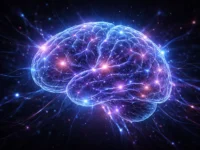
Cervical dystonia is not just a muscle problem. It is deeply connected to how the brain processes movement. Specifically, it involves areas like the basal ganglia, which are responsible for controlling voluntary movements.
In people with dystonia, the communication between the brain and muscles becomes disrupted. Instead of sending smooth, controlled signals, the brain sends conflicting or excessive signals, causing muscles to contract involuntarily.
Research discussed by Johns Hopkins Medicine (https://www.hopkinsmedicine.org) suggests that both genetic and environmental factors may play a role in this disruption. However, in many cases, the exact cause remains unknown.
Triggers That Can Make Symptoms Worse
While cervical dystonia does not have a single clear cause, certain factors can make symptoms more noticeable or intense.
Stress is one of the most commonly reported triggers. Emotional tension can amplify muscle contractions, making movements more frequent or severe. Lack of sleep can have a similar effect, as the body becomes more sensitive to neurological signals.
Physical strain, such as long hours of sitting with poor posture, can also worsen symptoms. Interestingly, some people find temporary relief through sensory tricks, such as lightly touching their chin or face. This phenomenon is known as a “geste antagoniste” and is a unique characteristic of dystonia.
Living with the Uncertainty
One of the hardest parts of cervical dystonia is not just the physical symptoms, but the emotional impact. Living with a condition that changes how your body moves can be deeply unsettling.
Many people experience anxiety, frustration, and even social withdrawal. Visible symptoms like head tilting or jerking can draw attention, leading to self-consciousness and reduced confidence.
The unpredictability of the condition adds another layer of difficulty. Some days may feel manageable, while others can be overwhelming. This inconsistency makes it challenging to plan daily activities or maintain a routine.
Treatment Options: What Can Be Done
Although there is currently no complete cure for cervical dystonia, several treatments can help manage symptoms effectively.
Botulinum toxin injections, commonly known as Botox, are one of the most widely used treatments. These injections work by temporarily weakening the overactive muscles, reducing involuntary movements and pain. More details can be found through the Mayo Clinic (https://www.mayoclinic.org), which provides comprehensive medical insights on dystonia treatment.
Oral medications may also be prescribed to help control muscle contractions, although their effectiveness varies from person to person.
In more severe cases, a surgical procedure called Deep Brain Stimulation (DBS) may be considered. This involves implanting electrodes in specific areas of the brain to regulate abnormal signals.
Physiotherapy and supportive therapies can also play an important role in improving posture, flexibility, and overall quality of life.
Why Early Awareness Matters More Than You Think
Recognizing the early signs of cervical dystonia can make a significant difference in how the condition is managed. Early intervention can help reduce symptom progression, improve treatment outcomes, and prevent unnecessary stress caused by misdiagnosis.
Ignoring symptoms or delaying medical consultation can lead to increased discomfort and more complex management later on. Awareness is not about fear, it is about understanding what your body is trying to communicate.
When Should You See a Doctor?
If you notice persistent neck twitching, unusual head movements, or muscle contractions that do not go away, it is important to seek medical advice. This is especially true if the symptoms are gradually getting worse or interfering with your daily life.
A neurologist with experience in movement disorders is usually the best specialist to consult. Early evaluation can help rule out other conditions and provide clarity on what you are experiencing.
Frequently Asked Questions (FAQs)
1. Is neck twitching always a sign of cervical dystonia?
No, most neck twitches are harmless and caused by fatigue, stress, or minor muscle strain. However, persistent or worsening symptoms should be evaluated by a doctor.
2. Can cervical dystonia go away on its own?
In most cases, cervical dystonia does not completely go away on its own, but symptoms can be managed effectively with treatment.
3. Is cervical dystonia painful?
Yes, many people experience neck pain and discomfort due to constant muscle contractions.
4. What is the main cause of cervical dystonia?
The exact cause is often unknown, but it is linked to abnormal brain signals controlling muscle movement.
5. Can stress cause cervical dystonia?
Stress does not directly cause the condition, but it can worsen symptoms significantly.
6. Is cervical dystonia a serious condition?
It is not life-threatening, but it can significantly affect quality of life if not managed properly.
Final Thoughts
A small twitch in your neck may seem insignificant, but sometimes it is the beginning of something your body is trying to tell you. Cervical dystonia does not always arrive with dramatic symptoms. It often starts quietly, slowly, and almost invisibly.
Understanding the early signs, paying attention to changes in your body, and seeking timely medical advice can make a meaningful difference. The goal is not to create fear, but to encourage awareness and informed action.
If something feels unusual and does not go away, it is always worth taking a closer look. Your body rarely sends signals without a reason, and listening to those signals might be more important than you think.



0 Comments