

















There are moments when the body does something you never asked it to do, a sudden twitch in the eye that refuses to settle, a hand that tightens unexpectedly, a neck that pulls slightly to one side without warning, and in those moments, most people laugh it off or blame stress, lack of sleep, or too much screen time, but what if those small, strange movements are not random at all, what if they are signals your nervous system is trying to send, quietly but persistently.
Involuntary muscle contractions are one of the most misunderstood experiences people face, not because they are rare, but because they are so easy to dismiss, especially in the beginning, when they feel harmless, temporary, and easy to explain away, yet for many, these movements do not simply disappear, they return, they repeat, and sometimes, they grow stronger, turning a minor curiosity into something that begins to interfere with daily life.
Understanding what these movements mean, where they come from, and when they deserve attention can make the difference between years of confusion and early clarity, and that is exactly why this topic matters more than most people realize.
What Are Involuntary Muscle Contractions
At the simplest level, involuntary muscle contractions are movements that occur without conscious control, your muscles tighten, twitch, or move on their own, even when you are not trying to use them, and while that may sound alarming, not all such movements are dangerous, some are completely harmless and temporary.
For example, a brief eyelid twitch after a long day or a muscle cramp after intense physical activity is usually nothing to worry about, but the story changes when these contractions become frequent, repetitive, or specific to certain parts of the body.
According to the National Institute of Neurological Disorders and Stroke, involuntary movements can arise from disruptions in the brain’s control systems, particularly those responsible for coordinating and regulating muscle activity, which means the issue is often neurological rather than muscular.
Why the Body Moves Without “Permission”
The human body relies on a complex network of signals traveling between the brain, spinal cord, and muscles, and when this communication is smooth, movements feel natural and controlled, but when something interferes with that system, signals can become irregular, exaggerated, or mistimed.
This disruption can cause muscles to contract when they should not, or to remain contracted longer than necessary, leading to movements that feel unpredictable and difficult to control.
In some cases, the cause is temporary, such as dehydration, fatigue, or electrolyte imbalance, but in others, it may be linked to deeper neurological conditions like dystonia, tremor disorders, or other movement-related issues.
The challenge lies in telling the difference, because early symptoms often look similar, regardless of the underlying cause.
The Early Signs People Often Ignore
One of the most common patterns is that these movements start small, so small that they barely register as a concern, a twitch here, a slight pull there, something that seems too minor to take seriously.
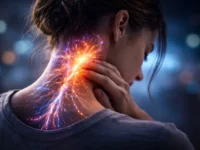
You might notice your eye blinking more than usual, your fingers tightening when you hold something, or your neck feeling slightly off when you sit still, and because these symptoms are subtle, they are often blamed on stress or posture.
But there is a difference between occasional discomfort and something that keeps returning, and that difference becomes clearer over time, especially when the movements begin to follow patterns, appearing in the same place, during the same activity, or at similar times of the day.
These patterns are often the first real clue that something more than stress may be involved.
Common Types of Involuntary Movements
Involuntary muscle contractions can take many forms, each with its own characteristics, and understanding these can help make sense of what the body is doing.
Twitches (Fasciculations): Small, quick movements under the skin, often harmless but sometimes persistent.
Spasms: Sudden, forceful contractions that can cause visible movement or discomfort.
Cramps: Painful tightening of muscles, often linked to physical strain or dehydration.
Dystonia: Sustained or repetitive contractions that lead to twisting or abnormal postures.
Tremors: Rhythmic shaking movements, often affecting the hands or head.
Each of these has different causes, and while some are temporary, others may require medical attention, especially if they interfere with daily life.
When It Might Be More Than Just Stress
Stress is often the first explanation people turn to, and while it can certainly trigger or worsen muscle tension, it does not fully explain persistent or patterned involuntary movements.
If your symptoms continue even during calm periods, or if they become more frequent over time, it is worth looking beyond stress as the sole cause.
Another important sign is lack of relief, stress-related symptoms often improve with rest, relaxation, or changes in routine, but neurological symptoms tend to persist regardless of these factors.
The Mayo Clinic highlights that ongoing or worsening involuntary movements should be evaluated, especially when they affect specific areas repeatedly.
The Role of the Brain
At the center of all voluntary and involuntary movement is the brain, particularly areas like the basal ganglia, which help regulate how muscles contract and relax.
When these systems function properly, movements are smooth and controlled, but when they are disrupted, signals can become distorted, leading to excessive or poorly timed muscle activity.
This is why conditions like dystonia are classified as neurological, not muscular, because the root cause lies in how the brain processes movement signals.
Understanding this can help remove the confusion and frustration that often comes with unexplained symptoms, shifting the focus toward proper evaluation and care.
Real-Life Experiences That Often Go Unnoticed
Many people live with involuntary muscle contractions for years without realizing what they are dealing with, often adapting their behavior in subtle ways to cope.
Someone might stop writing as much because their hand feels unreliable, or avoid bright environments because their eyes struggle to stay open, or adjust their posture constantly because their neck does not feel stable.
These small adjustments may seem insignificant, but they can add up over time, affecting confidence, productivity, and overall quality of life.
The problem is not just the movements themselves, but the uncertainty that surrounds them, the not knowing, the guessing, the repeated attempts to explain something that does not fit into simple categories.
When Should You Seek Medical Advice
Not every muscle twitch requires medical attention, but certain patterns should not be ignored, especially if they persist or worsen.
If you experience repeated contractions in the same area, movements that interfere with daily tasks, or symptoms that do not improve with rest, it is important to consult a healthcare professional.
A neurologist, particularly one specializing in movement disorders, can help evaluate symptoms and determine whether further investigation is needed.
Early recognition does not just provide answers, it can also open the door to treatments that may improve symptoms significantly.
Treatment and Management Options
The approach to managing involuntary muscle contractions depends on the underlying cause, but there are several options available that can help reduce symptoms and improve daily functioning.
Medications may be used to regulate muscle activity, while physical therapy can help improve control and coordination.
In cases like dystonia, botulinum toxin injections are often used to relax overactive muscles, providing relief for many patients.
Lifestyle adjustments, such as managing stress, staying hydrated, and maintaining proper posture, can also play a supportive role, even when the primary cause is neurological.
A Clear Disclaimer
This article is for informational purposes only and should not be considered medical advice, if you are experiencing persistent or concerning symptoms, consult a qualified healthcare professional for proper evaluation and diagnosis.
Frequently Asked Questions (FAQs)
1. Are involuntary muscle contractions always serious
No, many are harmless and temporary, but persistent or worsening symptoms should be evaluated.
2. Can anxiety cause these movements
Anxiety can trigger or worsen muscle tension and twitching, but it does not explain all types of involuntary movements.
3. How do I know if it is neurological
If symptoms are repetitive, patterned, and do not improve with rest, a neurological cause may be worth exploring.
4. Can these movements be treated
Yes, treatment depends on the cause, but many options are available to manage symptoms effectively.
5. Should I see a specialist
If symptoms persist or interfere with daily life, consulting a neurologist is recommended.
Final Thoughts
There is something deeply unsettling about losing control, even in small ways, even for a moment, because it challenges the basic sense of how our bodies are supposed to work, and yet, these moments are often the first signals that something needs attention, not fear, not panic, but attention.
Because the body rarely does something without reason, and when it starts to move without permission, it may be time to listen more closely, to look beyond the obvious explanations, and to seek clarity before confusion turns into something harder to manage, and that awareness, simple as it sounds, can be the first step toward understanding what your body has been trying to tell you all along.



0 Comments