











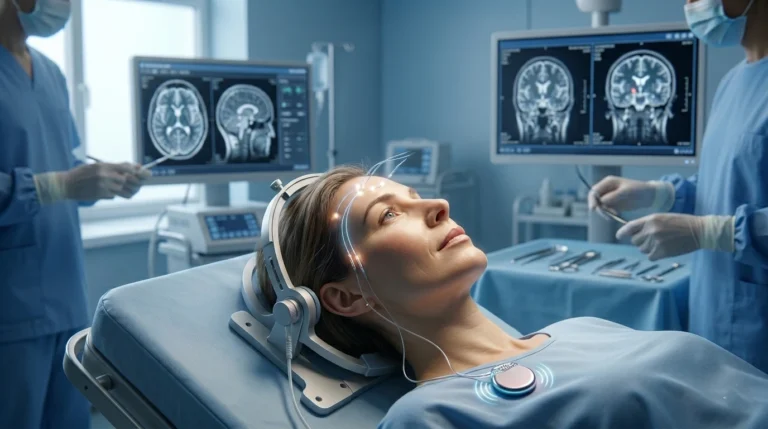
There are moments in medicine when a treatment sounds almost unreal, something that feels pulled from science fiction rather than real hospital rooms. Deep Brain Stimulation, often called DBS, is one of those rare breakthroughs. Imagine a device placed inside the brain that can calm tremors, ease painful muscle contractions, and give someone back control over their own body. For many people living with conditions like Parkinson’s disease or dystonia, this is not imagination anymore, it is a real option on the table.
But here is the part that makes people pause. This is brain surgery. Not a tablet, not a therapy session, not a lifestyle change. It involves drilling into the skull and placing electrodes into delicate brain structures. That alone raises a powerful question that families and patients wrestle with every day: is this a miracle solution or a serious risk that could go wrong?
Let us walk through this carefully, without exaggeration, without fear tactics, and without unrealistic promises, because the truth about Deep Brain Stimulation sits somewhere in the middle.
What Exactly Is Deep Brain Stimulation?
Deep Brain Stimulation is a surgical procedure where doctors implant thin wires, called electrodes, into specific areas of the brain that control movement. These electrodes are connected to a small device placed under the skin near the chest, similar to a heart pacemaker. This device sends controlled electrical signals to the brain.
Those signals do something remarkable. They interrupt abnormal brain activity that causes symptoms like tremors, stiffness, twisting movements, or uncontrolled muscle contractions.
The goal is not to cure the condition. That is important to understand. DBS does not remove the disease itself. What it does is help manage the symptoms in a way that medications sometimes cannot.
Why People Turn to DBS
For many patients, DBS is not the first step. It usually comes into the picture after medications stop working effectively or begin causing difficult side effects.
Think about someone living with severe dystonia. Daily life can become exhausting. Simple tasks like writing, walking, or even sitting comfortably can turn into constant struggles. Medications may help in the early stages, but over time, the relief may fade or bring unwanted complications.
This is where DBS starts to feel like a lifeline.
Some patients describe it as getting a part of their life back that they thought was gone forever. Tremors reduce, movements become smoother, and independence slowly returns.
Conditions Where DBS Is Used
Deep Brain Stimulation is most commonly used for:
- Parkinson’s disease
- Dystonia
- Essential tremor
- Obsessive-compulsive disorder in select cases
- Epilepsy (in certain situations)
In recent years, researchers have been exploring its use in depression and other neurological conditions, though those areas are still developing and not widely approved.
How the Surgery Is Done
This is where things become real for patients considering DBS.
The procedure usually happens in two stages. First, surgeons place the electrodes inside the brain. Then, the device that controls those electrodes is implanted in the chest.
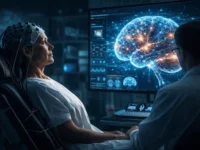
In some cases, patients remain awake during part of the surgery so doctors can monitor brain responses in real time. That idea alone can feel overwhelming, but it helps surgeons place the electrodes with extreme precision.
After surgery, the device is programmed and adjusted over several weeks. It is not a one-time fix. It requires follow-ups, fine-tuning, and patience.
The Life-Changing Benefits
There is no denying that DBS has changed lives. For the right patient, the improvement can be dramatic.
Many people experience:
- Reduced tremors
- Better muscle control
- Less stiffness and pain
- Improved ability to perform daily activities
- Reduced reliance on medication
For someone who has spent years struggling to hold a cup or walk steadily, even a small improvement can feel huge.
There are real stories of patients who return to work, regain independence, and reconnect with life in ways they had almost given up on.
But Here Comes the Hard Truth
As promising as DBS sounds, it is not without risks, and this is where careful decision-making becomes essential.
This is brain surgery, and with that comes serious considerations.
Possible risks include:
- Infection
- Bleeding in the brain
- Stroke
- Device complications
- Speech or balance issues
- Mood or cognitive changes
Not everyone experiences these, but they are real possibilities that cannot be ignored.
There is also the emotional side of things. Some patients expect instant transformation and feel disappointed when improvements take time or are not as dramatic as they hoped.
Who Should Avoid DBS?
DBS is not suitable for everyone. Doctors usually evaluate patients very carefully before recommending it.
It may not be ideal for:
- People with severe cognitive decline
- Those with untreated psychiatric conditions
- Patients who respond well to medication already
- Individuals with high surgical risk
The decision involves neurologists, neurosurgeons, and often mental health professionals to ensure the patient is truly a good candidate.
What Recovery Looks Like
Recovery from DBS is not instant. It is a process.
After surgery, patients may feel tired, sore, or slightly disoriented. Over time, as the device is programmed, improvements begin to appear.
But here is something many people do not expect. The first settings are rarely perfect. Doctors adjust the stimulation levels over multiple visits, sometimes taking months to find the right balance.
Patience plays a huge role in success.
The Cost Factor
DBS is not a small investment. The cost can be significant, especially when you factor in surgery, hospital stay, device cost, and long-term follow-ups.
In some regions, insurance may cover part of it, but not always fully. This becomes a major factor for many families.
For updated treatment cost insights and global comparisons, resources like
https://www.mayoclinic.org/tests-procedures/deep-brain-stimulation/about/pac-20384562
and
https://www.nhs.uk/conditions/deep-brain-stimulation/
offer reliable medical information.
Real Outcomes: Not Perfect, But Powerful
The truth about DBS lies in balance.
It is not a miracle cure, but it is far from a gamble when done for the right reasons and with the right medical guidance.
Some patients experience life-changing improvements. Others see moderate benefits. A small number may not respond as expected.
That range of outcomes is why honest expectations matter so much.
The Psychological Side No One Talks About Enough
One of the lesser-discussed aspects of DBS is the emotional journey.
Imagine living with a condition for years and then suddenly experiencing improvement. It can feel overwhelming, even confusing.
Some patients struggle to adjust to the change. Others feel pressure to “be normal again,” which can create stress.
Support systems, counseling, and open conversations become just as important as the surgery itself.
Is DBS Getting Safer Over Time?
Yes, and this is important.
Technology has improved significantly. Imaging techniques are more precise. Surgical methods are more refined. Devices are smarter and more adaptable.
All of this has reduced risks and improved outcomes compared to earlier years.
Research is ongoing, and the future of DBS looks even more promising, with advancements aiming to make stimulation more personalized and responsive.
A Careful Disclaimer
This article is meant for awareness and understanding only. It is not medical advice. Deep Brain Stimulation is a complex procedure that requires detailed evaluation by qualified healthcare professionals. Decisions about surgery should always be made in consultation with neurologists and neurosurgeons who understand the individual case.
So, Is It a Life-Changer or a Risky Gamble?
The honest answer is this: it can be both, depending on the situation.
For the right patient, DBS can open doors that once seemed permanently closed. It can restore independence, reduce suffering, and improve quality of life in ways that feel almost unbelievable.
But it is not something to rush into. It demands careful thought, realistic expectations, and trust in a skilled medical team.
It is not about choosing between hope and fear. It is about making an informed decision with clarity.
FAQs About Deep Brain Stimulation
1. Does DBS cure neurological disorders?
No, it does not cure the condition. It helps manage symptoms effectively.
2. Is the surgery painful?
The procedure is done under controlled conditions, and pain is managed carefully. Some discomfort during recovery is normal.
3. How long does the device last?
The battery typically lasts 3 to 5 years, depending on usage, and can be replaced.
4. Can DBS be reversed?
Yes, the system can be turned off or removed if needed.
5. When do patients see results?
Improvements may begin within weeks, but full benefits often take months of adjustments.
6. Is DBS safe for young patients?
In certain conditions like dystonia, it may be considered for younger individuals, but only after thorough evaluation.
Final Thought
Deep Brain Stimulation sits at the edge of modern medicine where hope meets caution. It is neither a magic switch nor a reckless decision. It is a powerful medical tool that, when used wisely, has the potential to change lives in ways that once seemed impossible.
For anyone considering it, the most important step is not the surgery itself, but the decision that comes before it. Understanding the reality, asking the right questions, and choosing the right team can make all the difference.


0 Comments