
















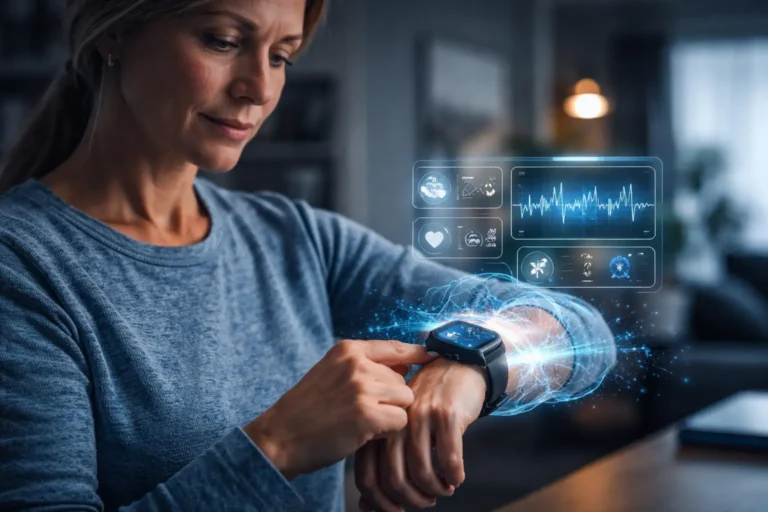
Something quietly powerful is beginning to change how people live with dystonia, and it is not coming from a new drug or a surgical breakthrough, but from something much smaller, something that sits on the wrist, clips onto clothing, or blends into daily life without drawing attention, and that is wearable technology, which is now stepping into the world of neurological care in a way that feels both practical and deeply personal at the same time.
For individuals dealing with dystonia, where symptoms can shift unpredictably, sometimes easing and sometimes becoming more intense without warning, the ability to track what is happening in real time is not just useful, it can be life-changing, because understanding patterns often becomes the first step toward gaining some level of control over a condition that can otherwise feel overwhelming.
Why Tracking Dystonia Has Always Been Difficult
Dystonia is not a condition that follows a fixed pattern, and that is part of what makes it so challenging, because symptoms can vary not only from one person to another, but even within the same individual from one day to the next, and traditional methods of tracking rely heavily on memory, written notes, or occasional clinical observations, which often miss the full picture.
A person might experience muscle spasms at certain times of the day, or notice that stress, fatigue, or even small environmental changes can influence symptoms, but without consistent tracking, these patterns can be difficult to identify clearly, and this is where wearable technology begins to make a real difference by capturing continuous data that would otherwise go unnoticed.
What Wearable Technology Actually Does
Wearable devices are designed to monitor different aspects of the body, such as movement, muscle activity, heart rate, and even sleep patterns, and when applied to dystonia, these devices can detect subtle changes in movement that may indicate the onset or progression of symptoms.
For example, motion sensors built into wearable devices can track how often certain muscles contract, how intense those contractions are, and how long they last, creating a detailed record that can be reviewed over time, and this kind of data can help both patients and doctors understand what is happening beneath the surface.
Some advanced devices are even capable of using algorithms to recognize patterns associated with dystonia, offering insights that go beyond simple tracking and move toward meaningful interpretation of symptoms.
Organizations like the National Institute of Neurological Disorders and Stroke (https://www.ninds.nih.gov) and the Michael J. Fox Foundation (https://www.michaeljfox.org) have supported research into wearable technologies for movement disorders, highlighting the growing interest in this field.
Real-Time Feedback That Changes Daily Life
One of the most powerful aspects of wearable technology is its ability to provide real-time feedback, which means that instead of waiting for a doctor’s appointment to discuss symptoms, individuals can gain immediate insights into how their body is responding throughout the day.
For someone living with dystonia, this could mean noticing that certain movements trigger spasms or that specific activities lead to increased muscle tension, and with this awareness, small adjustments can be made in real time, whether it is changing posture, taking a break, or modifying an activity.
This kind of immediate feedback creates a sense of awareness that was previously difficult to achieve, turning everyday experiences into opportunities for better understanding and management.
Helping Doctors Make Better Decisions
Wearable technology is not just beneficial for patients, it also provides valuable information for healthcare professionals, because instead of relying solely on brief clinical observations, doctors can access detailed data that reflects how a patient’s condition behaves in real-world settings.
This can lead to more informed decisions about treatment, whether it involves adjusting medication, refining injection timing, or exploring new therapeutic approaches, because the data offers a clearer picture of what is actually happening outside the clinic.
Platforms like ClinicalTrials.gov (https://clinicaltrials.gov) show an increasing number of studies exploring wearable technology in neurological disorders, indicating that this approach is becoming an important part of modern research.
The Rise of Smart Wearables in Neurology
In recent years, wearable technology has become more advanced, more accurate, and more accessible, making it easier for people to integrate these devices into their daily lives without feeling overwhelmed by complex systems.
Smartwatches, sensor-based clothing, and specialized medical devices are now being developed with a focus on neurological conditions, and these tools are designed to be both practical and user-friendly, ensuring that they can be used consistently over long periods of time.
Some devices are even being tested to provide gentle feedback or stimulation that may help reduce symptoms, offering not just tracking but also active support, which represents an exciting direction for future development.
A More Personalized Approach to Care
One of the most promising aspects of wearable technology is its ability to support personalized care, because every person with dystonia experiences the condition differently, and having access to individual data allows treatments to be tailored more precisely.
Instead of a one-size-fits-all approach, doctors can use wearable data to understand how a specific patient responds to different treatments, making it possible to adjust strategies in a way that is more aligned with that person’s unique needs.
This shift toward personalization is a key part of modern healthcare, and wearable technology is playing a central role in making it possible.
Challenges That Still Exist
While wearable technology offers many benefits, it is important to recognize that it is not without limitations, and one of the main challenges is ensuring that the data collected is accurate and meaningful, because interpreting complex neurological signals requires careful analysis.
There are also concerns related to privacy, as wearable devices collect sensitive health information, and it is essential that this data is handled securely and responsibly.
In addition, not all devices are designed specifically for dystonia, which means that further research and development are needed to create tools that are fully optimized for this condition.
Important Disclaimer
The information in this article is intended for general awareness and should not be considered medical advice, and wearable technology should be used as a supportive tool rather than a replacement for professional medical care.
Patients should consult qualified healthcare providers before making decisions about treatment or relying on wearable data for medical conclusions.
What the Future Might Look Like
Looking ahead, it is easy to imagine a world where wearable technology becomes a standard part of managing neurological conditions, where patients can monitor their symptoms continuously, receive personalized insights, and share real-time data with their doctors, creating a more connected and responsive healthcare experience.
For dystonia, this could mean earlier detection of symptom changes, more precise treatment adjustments, and a greater sense of control over daily life, which is something that many individuals living with the condition have been seeking for years.
Frequently Asked Questions (FAQs)
1. Can wearable devices diagnose dystonia?
No, they are used for tracking and monitoring symptoms, not for diagnosing the condition.
2. Are wearable devices accurate for tracking symptoms?
Many devices are highly accurate, but their effectiveness depends on design and proper use.
3. Can wearables replace doctor visits?
No, they are meant to support medical care, not replace it.
4. Are these devices widely available?
Some are available commercially, while others are still being tested in research settings.
5. How can patients start using wearable tech?
They can consult healthcare providers to explore suitable devices and approaches.
Final Thoughts
Wearable technology is not just adding convenience to healthcare, it is changing how conditions like dystonia are understood and managed on a daily level, bringing a new sense of awareness, connection, and possibility into the lives of those who use it, and while there is still work to be done to refine these tools and expand their reach, the progress so far suggests that this is not just a passing trend, but a meaningful step toward a more informed and responsive way of living with neurological conditions.


0 Comments