
















In a development that is already being described as one of the most meaningful advances in movement disorder research in recent years, scientists have uncovered previously unknown brain pathways linked directly to dystonia, a neurological condition that causes involuntary muscle contractions, painful postures, and often life-altering physical limitations, and this discovery is beginning to reshape how researchers and doctors understand the condition at its core.
For years, dystonia has remained a complex and often misunderstood disorder, with patients frequently facing delayed diagnoses, inconsistent treatments, and a lack of clear explanations about what is truly happening inside the brain, but this new research is changing that narrative in a way that feels both long overdue and deeply promising for millions of people who live with this condition every single day.
A Closer Look at What Scientists Found
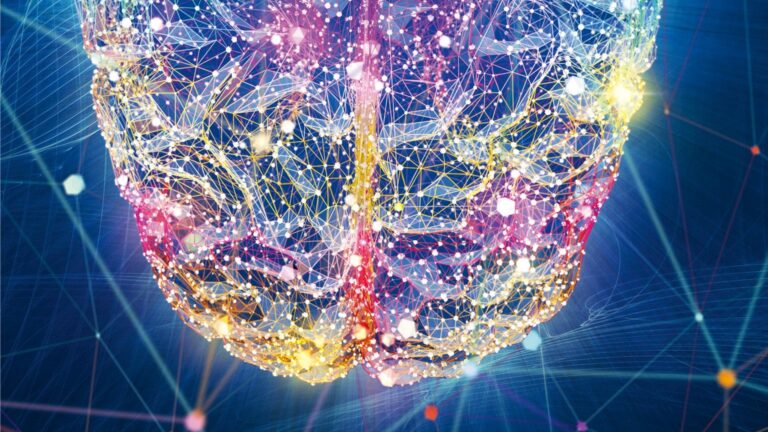
At the center of this discovery is the identification of new communication pathways between regions of the brain that were not previously thought to play a direct role in dystonia, and these pathways appear to influence how movement signals are processed, controlled, and sometimes disrupted.
Traditionally, dystonia has been linked mainly to dysfunction in areas like the basal ganglia, which are responsible for coordinating movement, but the latest findings suggest that the story is far more intricate, involving a wider network that includes the cerebellum, motor cortex, and previously overlooked neural circuits that appear to misfire or become overactive in people with dystonia.
What makes this discovery particularly exciting is that researchers did not just observe structural differences, but also functional changes, meaning they were able to see how these pathways behave in real time, revealing patterns that could explain why certain movements become uncontrollable and why symptoms can vary so dramatically from one person to another.
According to detailed findings published in leading neuroscience journals, advanced imaging techniques such as functional MRI and neural connectivity mapping played a major role in uncovering these pathways, allowing scientists to track how signals travel across the brain in ways that were not possible even a decade ago.
For readers interested in understanding the broader science behind brain connectivity and neurological disorders, resources like the National Institute of Neurological Disorders and Stroke (https://www.ninds.nih.gov) and the Dystonia Medical Research Foundation (https://dystonia-foundation.org) offer reliable, research-backed insights into ongoing studies and treatment developments.
Why This Discovery Matters More Than You Think
The significance of this breakthrough goes far beyond academic interest, because it directly challenges long-standing assumptions about dystonia and opens the door to more targeted and effective treatments.
For many patients, treatment has often been limited to managing symptoms through medications, botulinum toxin injections, or in more severe cases, surgical interventions such as deep brain stimulation, but these approaches do not work equally well for everyone, largely because the underlying causes of dystonia were not fully understood until now.
With the identification of these new brain pathways, researchers can begin to develop therapies that target the exact circuits involved, rather than relying on broader, less precise methods, and this shift could lead to treatments that are not only more effective but also have fewer side effects.
There is also growing optimism that this discovery could improve early diagnosis, especially in cases where symptoms are subtle or mistaken for other conditions, because understanding these pathways gives doctors clearer markers to look for when evaluating patients.
The Human Side of the Breakthrough
Behind every scientific discovery are real people whose lives could be transformed, and for those living with dystonia, this news brings a sense of validation that has been missing for far too long.
Many patients describe a long and frustrating journey toward diagnosis, often being told that their symptoms are stress-related or psychological, only to later learn that they have a neurological condition that was not properly understood, and discoveries like this help shift that perception by providing concrete biological evidence of what is happening inside the brain.
For someone struggling with cervical dystonia, writer’s cramp, or generalized dystonia, even small improvements in treatment can mean the difference between independence and daily difficulty, and this research offers hope that future therapies could address the root cause rather than just the visible symptoms.
How This Could Change Future Treatments
One of the most promising aspects of this discovery is its potential to influence the next generation of treatment options, particularly in areas like precision neuromodulation, targeted drug development, and personalized medicine.
Researchers are already exploring ways to use this new understanding of brain pathways to refine deep brain stimulation techniques, making them more accurate and effective by focusing on the newly identified circuits rather than relying on broader stimulation areas.
There is also interest in developing medications that can regulate the activity of these pathways more precisely, potentially reducing the need for repeated injections or invasive procedures, and while these treatments are still in development, the direction is clear and grounded in stronger scientific evidence than ever before.
For those who want to stay updated on emerging treatments and clinical trials, platforms like ClinicalTrials.gov (https://clinicaltrials.gov) provide ongoing updates about new therapies being tested around the world.
A Step Toward Earlier Diagnosis
Another powerful implication of this research lies in early detection, which has always been a challenge in dystonia due to its wide range of symptoms and overlapping features with other neurological conditions.
By identifying specific patterns of brain activity associated with dystonia, doctors may soon be able to diagnose the condition earlier and with greater accuracy, reducing the time patients spend searching for answers and allowing treatment to begin sooner, which can significantly improve outcomes.
This is particularly important for younger patients or those in the early stages of the condition, where timely intervention can prevent symptoms from becoming more severe or widespread.
Important Disclaimer
While this discovery is highly encouraging, it is important to understand that it does not represent an immediate cure for dystonia, and most of the findings are still in the research and early clinical stages.
Patients should not make changes to their treatment plans based on this information alone and are strongly advised to consult qualified neurologists or movement disorder specialists before considering any new therapies.
Scientific progress takes time, and while breakthroughs like this move the field forward, real-world applications often require years of testing, validation, and regulatory approval before they become widely available.
What This Means Going Forward
The discovery of new brain pathways linked to dystonia marks a turning point in how the condition is studied, diagnosed, and treated, and it signals a shift toward a more detailed and accurate understanding of the brain’s role in movement disorders.
For researchers, it provides a clearer roadmap for future studies, helping them focus on the most relevant areas of the brain and develop more targeted approaches to treatment.
For patients, it offers something equally valuable, which is hope backed by science rather than speculation, and that hope is rooted in a deeper understanding of the condition they live with every day.
Frequently Asked Questions (FAQs)
1. What is dystonia?
Dystonia is a neurological movement disorder that causes involuntary muscle contractions, leading to repetitive movements or abnormal postures, and it can affect different parts of the body in varying degrees.
2. What are these newly discovered brain pathways?
Scientists have identified previously unknown neural circuits that connect different parts of the brain involved in movement control, and these pathways appear to play a key role in how dystonia develops.
3. Does this mean there is a cure now?
No, this discovery does not mean there is an immediate cure, but it provides a strong foundation for developing better and more targeted treatments in the future.
4. How will this affect current treatments?
In the future, treatments may become more precise and effective by targeting the specific brain pathways involved, but current treatments will remain in use until new options are fully developed and approved.
5. Can this help with early diagnosis?
Yes, understanding these pathways could lead to earlier and more accurate diagnosis, which can improve treatment outcomes and reduce delays in care.
Final Thoughts
This breakthrough is not just another scientific update that fades into the background, it represents a genuine shift in how dystonia is understood at a fundamental level, and while there is still a long road ahead before these findings translate into everyday treatments, the direction is clear, the science is stronger, and for the first time in a long time, there is a sense that real progress is being made toward changing the lives of those affected by this challenging condition.



0 Comments