





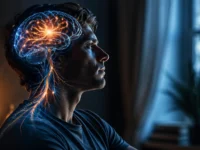






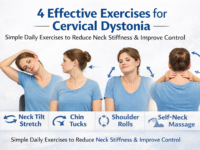


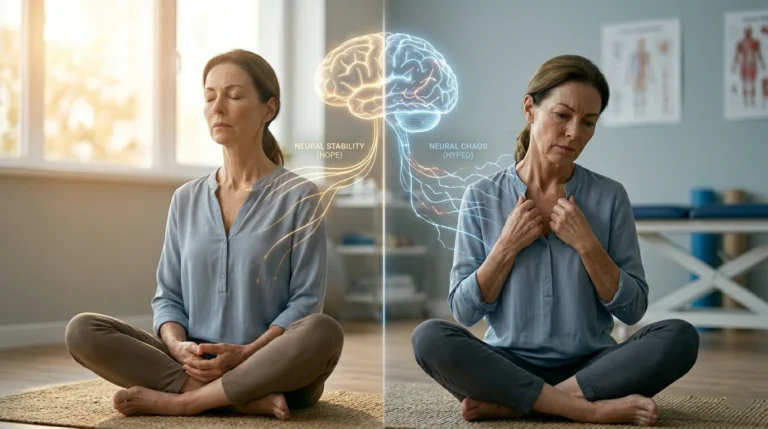
When living with dystonia becomes part of daily life, the search for relief rarely stays limited to prescriptions and clinic visits, it stretches far beyond that into areas that feel more personal, more natural, and sometimes more hopeful, and this is where alternative therapies enter the picture, often quietly at first, then with growing curiosity, and sometimes with expectations that can either inspire or mislead depending on how they are approached.
Many people reach this stage after trying medications that bring partial relief or side effects that are difficult to tolerate, or after realizing that even effective treatments do not fully restore normal movement, and that gap between “better” and “fully comfortable” is exactly where alternative therapies begin to attract attention.
But here is the question that matters, are these therapies genuinely helpful or are they simply appealing ideas without strong results?
The answer is not simple, and it deserves a careful, honest look.
Why Alternative Therapies Appeal So Strongly
There is a reason why people turn toward alternative approaches.
They often feel safer, more natural, and less invasive.
There is also a sense of control that comes with them.
Instead of relying entirely on medication or procedures, individuals feel like they are actively participating in their own care.
This emotional factor is powerful.
When someone feels involved rather than dependent, it can change how they experience their condition.
Understanding the Limits First
Before exploring specific therapies, it is important to set a clear foundation.
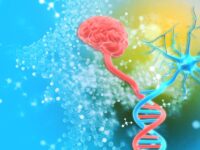
Dystonia is a neurological condition.
It starts in the brain, not in the muscles alone.
This means that no external therapy can simply “fix” it overnight.
Any approach that promises a complete cure without medical support should be approached with caution.
For a medically grounded understanding of dystonia,
https://www.ninds.nih.gov/health-information/disorders/dystonias
provides a reliable overview of how the condition works.
Common Alternative Therapies People Try
Let us look at the most commonly explored options and what they actually offer.
1. Yoga and Mindful Movement
Yoga is often one of the first alternative therapies people explore.
It focuses on posture, breathing, and controlled movement.
For dystonia, this can help in several ways.
It encourages relaxation, reduces muscle tension, and improves body awareness.
Some individuals notice better posture control and reduced discomfort after consistent practice.
However, yoga does not directly correct the neurological signals causing dystonia.
Its benefits are supportive rather than corrective.
2. Acupuncture
Acupuncture involves inserting thin needles into specific points on the body.
Some people report reduced muscle tightness and improved comfort after sessions.
The theory behind acupuncture is based on energy flow, which is not fully aligned with modern neurological science.
While some individuals experience relief, results are inconsistent and vary widely.
3. Massage Therapy
Massage can provide immediate relief from muscle tightness.
For dystonia, where muscles are constantly contracting, this can feel incredibly soothing.
It helps improve blood flow and reduces temporary stiffness.
But the effect is usually short-lived.
Massage does not change the underlying brain signals.
4. Meditation and Stress Reduction
Stress is known to worsen dystonia symptoms.
Meditation, breathing exercises, and relaxation techniques can help reduce this impact.
While they do not directly affect muscle contractions, they can lower the intensity of symptoms triggered by anxiety or tension.
Over time, this can improve overall quality of life.
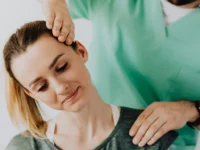
5. Chiropractic Adjustments
Some individuals explore chiropractic care in the hope of correcting posture and alignment.
While adjustments may improve comfort temporarily, there is limited evidence that they directly influence dystonia itself.
This is an area where expectations need to be realistic.
6. Herbal and Natural Supplements
Many people turn to supplements hoping for a natural solution.
These may include magnesium, herbal extracts, or other products marketed for muscle relaxation.
The challenge here is lack of strong scientific evidence.
Some supplements may help with general well-being, but they are not proven treatments for dystonia.
What Actually Works (When It Does)
The honest truth is that alternative therapies work best when they are used as supportive tools rather than primary treatments.
They can help with:
- Reducing stress
- Improving comfort
- Enhancing body awareness
- Supporting overall well-being
When combined with medical treatment, they can make a noticeable difference in how a person feels day to day.
What Often Turns Into Hype
There are also areas where expectations go too far.
Claims such as:
- “Complete cure without medication”
- “Permanent reversal in days”
- “Guaranteed results for everyone”
These are warning signs.
Dystonia is complex, and no single therapy can promise universal results.
The Risk of Delaying Proper Treatment
One of the biggest concerns with relying only on alternative therapies is delay.
When people postpone medical evaluation or treatment, symptoms may progress.
Early intervention often leads to better outcomes.
Alternative therapies should complement, not replace, medical care.
The Emotional Side of Hope
Hope is not a bad thing.
In fact, it is essential.
But hope needs to be grounded in reality.
Believing that improvement is possible is powerful.
Believing in unrealistic promises can lead to disappointment.
Finding the balance between optimism and realism is key.
Combining the Best of Both Worlds
The most effective approach for many people is a combination.
Medical treatments address the neurological aspect.
Alternative therapies support the physical and emotional experience.
For example:
- Medication or injections manage muscle activity
- Physiotherapy retrains movement
- Yoga and meditation reduce stress and tension
Together, they create a more complete strategy.
For a broader medical perspective on treatment options,
https://www.mayoclinic.org/diseases-conditions/dystonia/diagnosis-treatment/drc-20350484
offers valuable insights.
How to Choose the Right Approach
If you are considering alternative therapies, keep a few things in mind:
- Choose qualified practitioners
- Avoid extreme claims
- Monitor how your body responds
- Stay connected with your doctor
This balanced approach reduces risk and improves outcomes.
A Careful Disclaimer
This article is for informational purposes only and does not replace professional medical advice. Alternative therapies should be discussed with a qualified healthcare provider to ensure they are safe and appropriate for your specific condition.
So, Hope or Hype?
The answer depends on how these therapies are used.
When approached with realistic expectations, alternative therapies can offer genuine support and improve quality of life.
When seen as a complete replacement for medical care, they can lead to disappointment or delayed treatment.
They are not miracles.
But they are not meaningless either.
They sit somewhere in between, as tools that can help when used wisely.
FAQs About Alternative Therapies for Dystonia
1. Can alternative therapies cure dystonia?
No, they do not cure the condition but may help manage symptoms.
2. Are they safe to try?
Most are safe when done properly, but it is important to consult a healthcare provider.
3. Which therapy works best?
It varies from person to person. There is no single best option.
4. Can I stop medication if I use alternative therapies?
No, any changes to treatment should be made under medical supervision.
5. How long does it take to see results?
Some therapies offer immediate comfort, while others require consistent practice.
6. Are natural supplements effective?
Some may support general health, but they are not proven treatments for dystonia.
Final Thought
Living with dystonia often means exploring every possible path to feel better, and that journey naturally leads many people toward alternative therapies. The key is not to reject them or blindly trust them, but to understand their role clearly.
Used wisely, they can bring comfort, reduce stress, and support daily life.
Used incorrectly, they can create false expectations.
The real strength lies in balance, combining medical care with supportive therapies to build a life that feels more manageable, more stable, and more hopeful over time.


0 Comments