
















It usually starts with a quiet question that sits in the back of your mind and refuses to go away.
If I have dystonia… does that mean someone else in my family might have it too, or could develop it later?
This is not just a medical question. It is personal. It touches parents, children, siblings, and even future generations. It brings with it a mix of concern, curiosity, and sometimes fear.
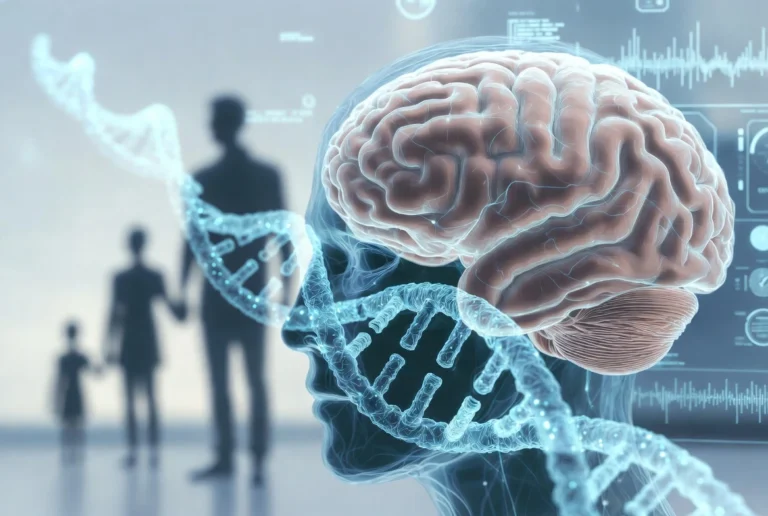
For a long time, doctors did not have clear answers. Dystonia was often seen as unpredictable, something that appeared without warning and without a clear pattern. But over the years, research has started to reveal a deeper layer, one that points directly to our genes.
The truth is not simple, but it is becoming clearer. Dystonia can be genetic, but it is not always inherited in the way people expect. Understanding that difference can change how you see the condition and how you plan for the future.
What Does “Genetic” Really Mean in Dystonia?
When people hear the word genetic, they often think of something that is guaranteed to be passed down from parent to child.
Dystonia does not always work like that.
Being genetic means that certain changes in your DNA can increase the likelihood of developing dystonia. It does not mean it will definitely happen.
This distinction matters. A person can carry a gene linked to dystonia and never show a single symptom throughout their life.
According to research shared by MedlinePlus, several forms of dystonia are associated with specific genetic mutations, but not all carriers develop the condition.
https://medlineplus.gov/genetics/condition/dystonia/
This concept is known as reduced penetrance, and it is one of the reasons dystonia can seem to skip generations or appear unexpectedly in a family.
The Genes Linked to Dystonia
Scientists have identified multiple genes associated with dystonia. Among the most studied is the DYT1 gene, which is linked to early-onset dystonia.
There are others as well, each connected to different forms of the condition. These genes influence how brain cells communicate, especially in areas responsible for controlling movement.
When these genes are altered, the brain’s signaling system may become unstable, leading to the muscle contractions and abnormal postures seen in dystonia.
What is important to understand is that these genes do not act alone. They interact with other factors, including environment and life experiences.
Why Family History Does Not Always Tell the Full Story
You might expect that if dystonia runs in families, it would show a clear pattern. But many people with dystonia have no known family history at all.
This can feel confusing.
There are a few reasons why this happens:
- Some family members may have had very mild symptoms that were never diagnosed
- The gene may not have been expressed in previous generations
- The condition may have developed due to non-genetic factors
Because of this, family history is helpful, but it is not a perfect predictor.
The National Institute of Neurological Disorders and Stroke explains that dystonia can be inherited, acquired, or idiopathic, meaning it appears without a known cause.
https://www.ninds.nih.gov/health-information/disorders/dystonias
This mix is what makes dystonia so complex.
The “Two-Factor” Theory
One of the most widely accepted ideas in current research is that dystonia often develops through a combination of factors.
First, there may be a genetic predisposition, something in your DNA that makes your brain more sensitive to changes in movement control.
Second, there may be a trigger, such as:
- Physical injury
- Repetitive movements
- Certain medications
- Stress or neurological strain
When these two elements come together, symptoms may begin to appear.
This helps explain why someone in a family might develop dystonia while others do not, even if they share similar genes.
Early-Onset vs Adult-Onset Dystonia
Genetics tends to play a stronger role in early-onset dystonia, which often begins in childhood or adolescence.
These cases are more likely to be linked to specific gene mutations and may affect larger areas of the body over time.
Adult-onset dystonia, on the other hand, is often more localized, such as affecting the neck or eyes, and may involve a mix of genetic and environmental factors.
This difference is important when considering family risk. Early-onset forms are more likely to follow a hereditary pattern, while adult-onset cases are less predictable.
Can You Test for Genetic Dystonia?
Genetic testing is available for certain types of dystonia, especially when there is a strong suspicion based on symptoms or family history.
These tests look for known mutations linked to the condition.
However, testing has its limitations. Not all genetic causes have been identified yet, and a negative test does not completely rule out a genetic component.
It is best approached with guidance from a neurologist or genetic counselor, who can explain what the results mean and how they should be interpreted.
What Family Members Should Know
If someone in the family has dystonia, it does not mean everyone else will develop it.
But awareness can make a difference.
Family members should pay attention to early signs, such as:
- Persistent muscle tightness
- Unusual postures
- Repetitive movements that feel involuntary
Recognizing these signs early can lead to faster diagnosis and better management.
It also opens the door to informed conversations about health, without unnecessary fear.
The Emotional Side of Genetic Questions
Talking about genetics is not just about science. It is about people.
It can bring up difficult thoughts about passing something on to children or discovering that a condition runs in the family.
These concerns are valid. But it is also important to remember that knowledge provides options.
Understanding genetic risk allows for:
- Early monitoring
- Better treatment planning
- Informed life decisions
It shifts the situation from uncertainty to awareness.
How Research Is Changing the Future
Scientists are continuing to explore the genetic basis of dystonia in greater detail.
New technologies are helping identify previously unknown genes and understand how they interact with the brain’s movement systems.
There is also growing interest in gene-based therapies, which aim to correct or manage the underlying causes rather than just treating symptoms.
Organizations like the Dystonia Medical Research Foundation are actively supporting these efforts, bringing hope for more targeted treatments in the future.
https://dystonia-foundation.org
While these developments are still evolving, they represent a significant step forward.
What This Means for You
If you are living with dystonia or have a family member who is, the question of genetics does not have a one-size-fits-all answer.
It is a piece of the puzzle, not the entire picture.
Your genes may influence your risk, but they do not define your outcome.
Lifestyle, environment, medical care, and early awareness all play a role in shaping how the condition develops and how it is managed.
Important Disclaimer
This article is for informational purposes only and should not be considered medical advice. If you have concerns about dystonia or genetic risk, consult a qualified neurologist or genetic counselor for proper evaluation and guidance.
FAQs
Is dystonia always inherited?
No, dystonia can be genetic, but many cases occur without any known family history.
If a parent has dystonia, will the child get it?
Not necessarily. Genetic factors may increase risk, but they do not guarantee inheritance.
Should I get genetic testing for dystonia?
It depends on your symptoms and family history. A specialist can guide you on whether testing is appropriate.
Can dystonia skip generations?
Yes, due to reduced penetrance, the gene may be present but not expressed in some individuals.
Does knowing family history help?
Yes, it can provide useful clues for early detection and management.
Final Thoughts
The idea that dystonia may be linked to your genes can feel overwhelming at first.
But it is also a step toward understanding something that once seemed completely unpredictable.
Science is slowly uncovering how genetics shapes this condition, not in a way that limits people, but in a way that offers clarity and direction.
Family history is not a verdict. It is information. And with the right knowledge, it becomes a tool, one that helps you stay aware, prepared, and one step ahead.



0 Comments