
















For years, people living with dystonia have asked one question that rarely gets a clear answer: why did this happen to me?
It is not a simple question, and for a long time, science did not have a simple answer either. Dystonia has always been one of those conditions that sits in the grey zone of medicine, where symptoms are visible and often severe, yet the root cause remains frustratingly hidden.
But that is changing now. Quietly, steadily, researchers across the world are beginning to connect the dots. What once looked like a mystery is now starting to take shape, and the picture that is emerging is both complex and deeply human.
This is not about one single cause. It is about a combination of factors working together, sometimes silently for years, before finally showing themselves through uncontrollable muscle movements, spasms, or abnormal postures.
Let’s break this down in a way that actually makes sense.
The Brain Is at the Center of It All
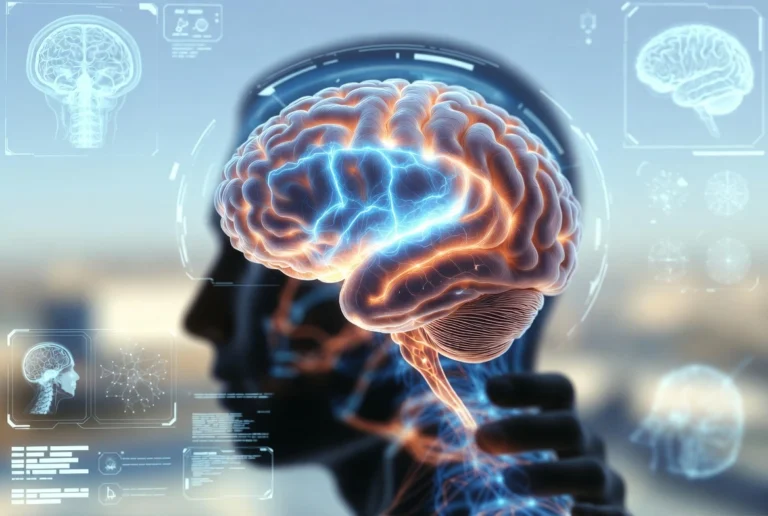
Dystonia is not a muscle disease. It is not caused by weak muscles or damaged joints. The problem begins in the brain, specifically in the areas that control movement.
The most important part involved is something called the basal ganglia, a group of structures deep inside the brain that help regulate how we move. These structures act like a control system, deciding which muscles should activate and which should relax.
In a healthy system, this process is smooth and automatic. You do not think about moving your neck or blinking your eyes. It just happens.
In dystonia, that control system starts to misfire. Signals become distorted. Muscles that should relax stay active. Muscles that should stay quiet suddenly contract. The result is the twisting, repetitive movements that define the condition.
Researchers have explored this in detail through studies published by institutions like the National Institute of Neurological Disorders and Stroke, which you can explore here:
https://www.ninds.nih.gov/health-information/disorders/dystonias
What they found is striking: dystonia is not caused by damage alone, but by miscommunication between brain circuits.
Genetics: The Hidden Blueprint
One of the biggest breakthroughs in recent years has been the discovery of genetic links to dystonia.
For some people, dystonia is inherited. Specific gene mutations, such as those in the DYT1 gene, have been directly linked to certain forms of the condition. These genes affect how brain cells communicate and process movement signals.
But here is where it gets interesting. Not everyone who carries these genes develops dystonia.
This means genetics is only part of the story. It creates a vulnerability, but something else often triggers the condition.
You can read more about genetic dystonia research from trusted sources like:
https://medlineplus.gov/genetics/condition/dystonia/
Scientists now believe that dystonia often follows a “two-hit” pattern:
- A genetic predisposition
- An environmental or physical trigger
This explains why two people with the same gene can have completely different outcomes.
Environmental Triggers: The Second Piece of the Puzzle
If genetics loads the gun, environment pulls the trigger.
Several external factors have been linked to the onset of dystonia, including:
- Head injuries
- Certain medications (especially long-term use of antipsychotic drugs)
- Infections affecting the brain
- Exposure to toxins
- Physical trauma
One well-documented example is drug-induced dystonia, where medications interfere with dopamine signaling in the brain. Dopamine is a key chemical involved in movement control, and when its balance is disrupted, abnormal muscle contractions can occur.
This connection has been studied extensively, including by the Mayo Clinic:
https://www.mayoclinic.org/diseases-conditions/dystonia/symptoms-causes/syc-20350480
What makes dystonia particularly challenging is that these triggers do not always cause immediate symptoms. Sometimes, the effects appear months or even years later, making it difficult to trace the origin.
The Role of Neurotransmitters
Inside the brain, communication happens through chemicals called neurotransmitters.
In dystonia, several of these chemicals appear to be out of balance, especially:
- Dopamine
- GABA (gamma-aminobutyric acid)
- Acetylcholine
Dopamine helps control movement and coordination. GABA acts as a calming signal, preventing excessive muscle activity. When these systems are not working properly, the brain loses its ability to regulate movement smoothly.
This is why some treatments for dystonia focus on restoring chemical balance rather than targeting muscles directly.
Recent studies suggest that dystonia may not be about too much or too little of one chemical, but rather a disruption in how these chemicals interact with each other.
Brain Network Dysfunction, Not Just One Area
Earlier theories focused heavily on the basal ganglia, but newer research shows that dystonia involves a much larger network.
Scientists now believe that dystonia is a network disorder, involving:
- Basal ganglia
- Cerebellum
- Motor cortex
- Sensory pathways
These areas constantly communicate to coordinate movement. When this network becomes unstable, signals become noisy and uncoordinated.
This explains why dystonia symptoms can vary so widely from person to person. Some experience mild eye twitching, while others develop severe full-body spasms.
The condition is not static. It evolves based on how these networks adapt or fail to adapt over time.
Sensory Processing: A Surprising Clue
One of the most fascinating discoveries in dystonia research is the role of sensory input.
Many patients notice that touching a certain part of their body temporarily reduces symptoms. This is known as a sensory trick or “geste antagoniste.”
For example:
- Lightly touching the chin may reduce neck spasms
- Placing a finger near the eye may ease blinking
This suggests that dystonia is not just a movement problem, but also a sensory processing disorder.
The brain is not interpreting signals correctly, and small sensory inputs can sometimes “reset” the system temporarily.
This insight has opened new directions for therapy and rehabilitation.
Stress and Emotional Factors
While dystonia is not a psychological condition, stress can play a powerful role in how symptoms appear and worsen.
Many people report that their symptoms intensify during periods of anxiety, fatigue, or emotional strain.
This does not mean stress causes dystonia, but it can amplify the underlying neurological dysfunction.
The brain’s emotional centers are closely connected to movement circuits, which explains why stress can have such a visible physical impact.
Why Doctors Often Miss the Early Signs
Dystonia rarely starts dramatically.
It often begins with subtle symptoms that are easy to ignore:
- Mild eye twitching
- Occasional neck stiffness
- Slight changes in handwriting
- Unusual muscle fatigue
These early signs are often mistaken for stress, poor posture, or minor nerve issues.
By the time the condition becomes obvious, it may have already progressed significantly.
This delay in diagnosis is one of the biggest challenges patients face, and it is something researchers are actively trying to address through better awareness and diagnostic tools.
The Latest Breakthroughs in Research
Scientists are now using advanced brain imaging techniques to study dystonia in real time.
Functional MRI scans have revealed abnormal activity patterns in movement-related networks, even before symptoms become severe.
There is also growing interest in:
- Deep brain stimulation (DBS) and how it corrects faulty circuits
- Gene therapy for inherited forms of dystonia
- AI-based analysis of movement patterns for early diagnosis
These developments are not just theoretical. They are already influencing how dystonia is treated today.
For ongoing research updates, organizations like the Dystonia Medical Research Foundation provide valuable insights:
https://dystonia-foundation.org
A Condition That Still Has Questions
Despite all these advances, dystonia is not fully understood yet.
There is no single cause that applies to everyone. Each case is unique, shaped by a combination of genetics, environment, brain chemistry, and life experiences.
This is why treatment often requires a personalized approach. What works for one person may not work for another.
But the direction is clear. Science is no longer guessing. It is building a detailed map of how dystonia develops and why it behaves the way it does.
Important Disclaimer
This article is for informational purposes only and is not a substitute for professional medical advice, diagnosis, or treatment. If you or someone you know is experiencing symptoms of dystonia, consult a qualified neurologist or healthcare provider for proper evaluation and care.
FAQs
What is the main cause of dystonia?
There is no single cause. Dystonia usually results from a combination of genetic factors, brain circuit dysfunction, and environmental triggers.
Is dystonia genetic or acquired?
It can be both. Some forms are inherited, while others develop due to injury, medication, or unknown factors.
Can stress cause dystonia?
Stress does not directly cause dystonia, but it can worsen symptoms significantly.
Why does dystonia affect different body parts?
It depends on which brain circuits are involved. Different networks control different muscle groups.
Is there a cure for dystonia?
There is currently no complete cure, but treatments like medication, botox injections, and deep brain stimulation can help manage symptoms effectively.
Final Thoughts
For a long time, dystonia felt like a condition without answers, something that happened without warning and without explanation.
That is no longer the case.
Science is closing in, step by step, uncovering the hidden mechanisms behind this complex disorder. It may not lead to a single, simple cause, but it is leading to something far more important: understanding.
And with understanding comes better treatment, earlier diagnosis, and most importantly, hope.



0 Comments