


















There are conditions that announce themselves loudly, unmistakably, impossible to ignore, and then there are those that quietly slip into your life, reshaping your body in subtle ways that do not quite make sense at first, and dystonia belongs firmly in that second category, a neurological condition that often hides behind everyday explanations like stress, fatigue, or posture problems, leaving people confused, dismissed, and searching for answers far longer than they should.
What makes dystonia even more complicated is that it is not just one condition, it is a group of disorders, each with its own patterns, triggers, and affected body parts, and while some forms are better known, there are several types that remain largely unheard of, even though they can deeply affect daily life.
Many people live with these lesser-known forms without realizing what is happening to them, attributing symptoms to something temporary or harmless, only to later discover that what they were experiencing had a neurological basis all along.
This article takes you into five types of dystonia that rarely get the attention they deserve, but absolutely should, because awareness is often the first step toward clarity, and clarity can change everything.
1. Task-Specific Dystonia — When Routine Actions Stop Feeling Normal
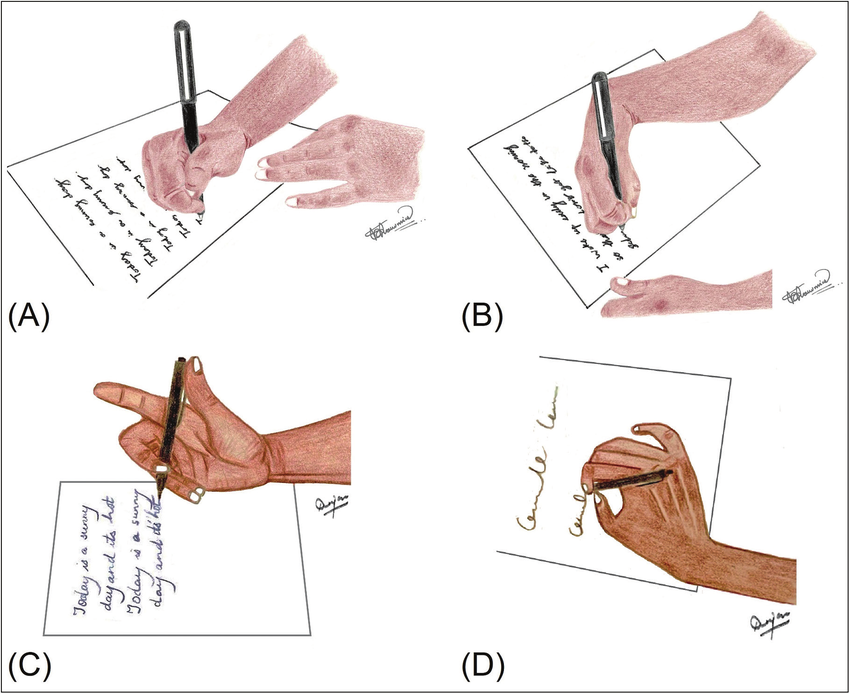
There is something deeply unsettling about losing control over something you have done effortlessly for years, whether it is writing your name, typing on a keyboard, or playing a musical instrument, and that is exactly what task-specific dystonia does, it targets highly practiced movements and disrupts them in ways that feel both strange and frustrating.
A person may notice that their handwriting begins to change, becoming cramped, shaky, or uneven, or that their fingers refuse to move the way they used to while playing an instrument, and at first it is easy to blame fatigue or overuse, but the problem does not go away with rest, it returns, often stronger and more persistent.
This form of dystonia is commonly seen in writers, musicians, and even athletes, and because it appears only during specific activities, it is often misunderstood or ignored for long periods.
According to research shared by the Dystonia Medical Research Foundation, task-specific dystonia is linked to changes in how the brain maps repetitive movements, meaning the more refined the skill, the more vulnerable it can become to disruption.
2. Blepharospasm — When Your Eyes Refuse to Stay Open
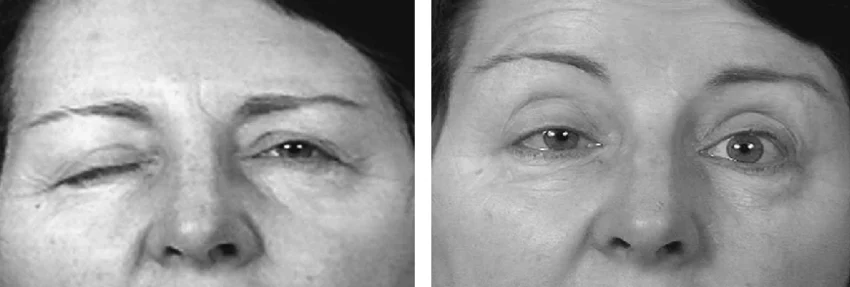
It often begins as something so small that it barely feels worth mentioning, a twitch in the eyelid, a sensitivity to light, a need to blink more often than usual, but over time, these minor annoyances can grow into something far more disruptive, where the eyes close involuntarily and repeatedly, making it difficult to see clearly or even keep them open.
Blepharospasm is one of the most misunderstood forms of dystonia because it overlaps heavily with common eye issues like dryness, allergies, or screen fatigue, leading many people to try eye drops or lifestyle changes without realizing that the root cause is neurological.
As the condition progresses, the blinking can become forceful and frequent, sometimes causing temporary functional blindness, especially in bright environments, which can make simple tasks like driving or reading extremely challenging.
Information from the National Institute of Neurological Disorders and Stroke explains that blepharospasm involves abnormal signals in the brain that control eyelid movement, reinforcing the idea that the issue is not with the eyes themselves but with how the brain regulates them.
3. Cervical Dystonia — When the Neck Has a Mind of Its Own
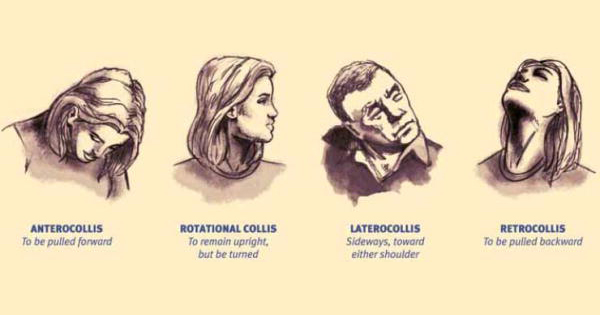
Cervical dystonia is one of the more recognized forms, yet it is still widely misunderstood, especially in its early stages when symptoms can easily be mistaken for muscle strain or poor posture.
It often starts with a slight pulling sensation in the neck, a feeling that your head is not sitting quite right, or that your muscles are tighter than usual, and over time, this can develop into visible twisting or tilting of the head, sometimes accompanied by pain or tremors.
What makes this condition particularly difficult is that it can fluctuate, some days feeling manageable, other days far more intense, which can lead people to believe it is temporary or stress-related, delaying proper diagnosis.
The Mayo Clinic notes that cervical dystonia is the most common type of focal dystonia and can significantly impact daily life, but with treatment, many people find ways to manage symptoms effectively.
4. Oromandibular Dystonia — When Speaking and Eating Become a Challenge
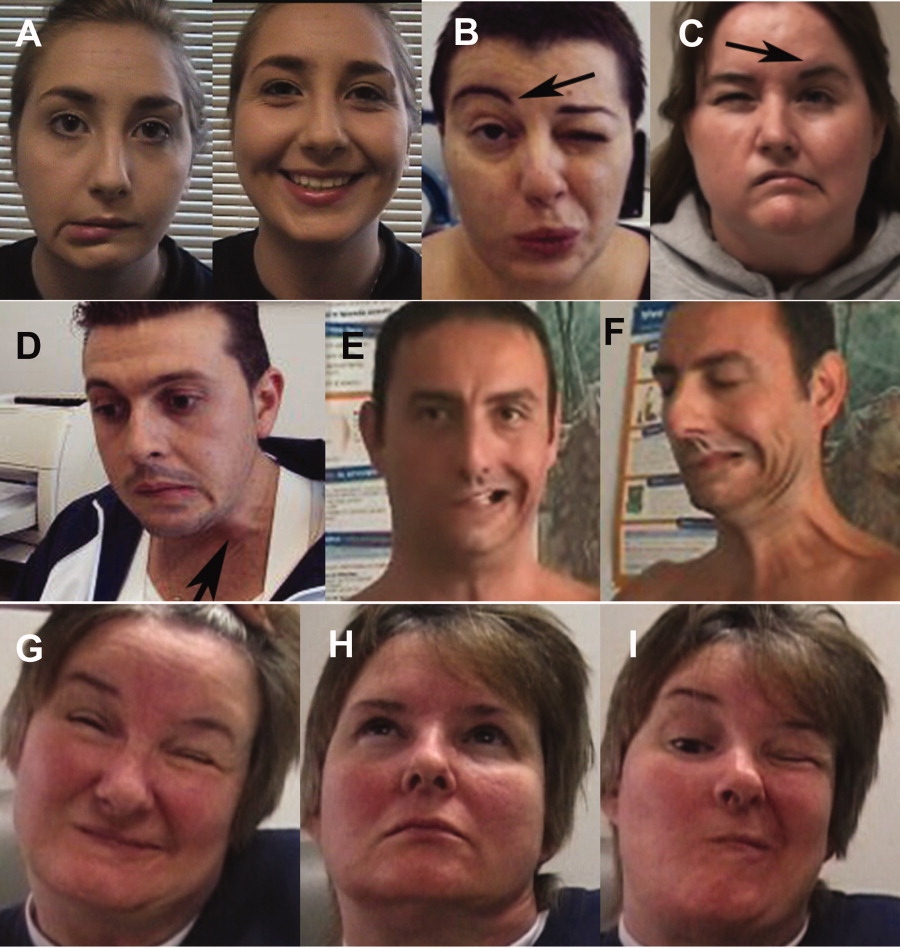
Imagine trying to speak clearly or eat comfortably, only to find that your jaw is not cooperating, tightening, pulling, or moving in ways you cannot control, and that is the reality for people living with oromandibular dystonia.
This form affects the muscles of the jaw, lips, and tongue, leading to symptoms like jaw clenching, difficulty opening or closing the mouth, slurred speech, or even problems chewing food properly.
Because these symptoms can resemble dental issues or temporomandibular joint disorders, many people spend months or years seeking help from dentists before realizing the underlying cause is neurological.
The impact goes beyond physical discomfort, it can affect communication, confidence, and social interactions, making it one of the more emotionally challenging forms of dystonia.
5. Dopa-Responsive Dystonia — The One That Mimics Other Conditions
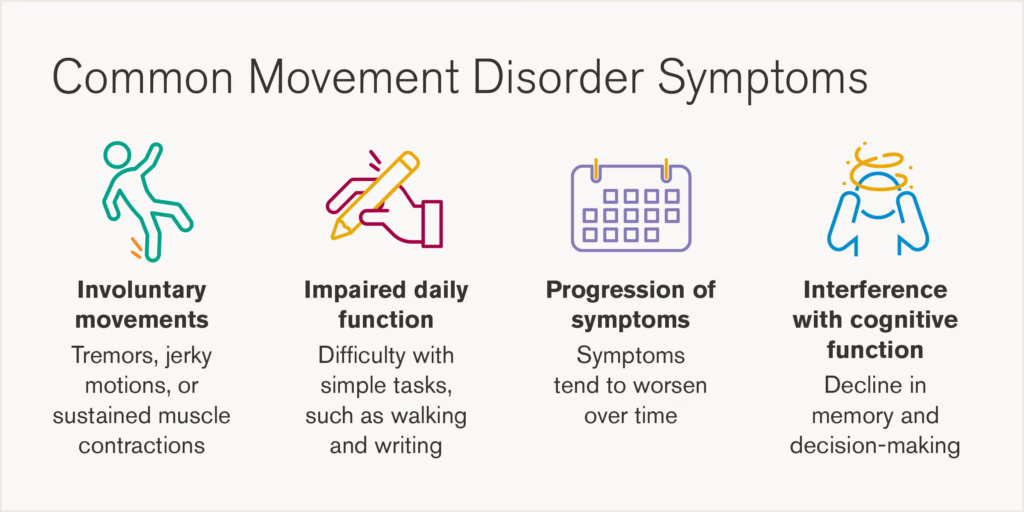
Dopa-responsive dystonia is particularly important to recognize because it can look like other neurological conditions, especially in children, often leading to misdiagnosis.
It typically begins with difficulty walking, stiffness in the legs, or unusual gait patterns, which may worsen as the day progresses and improve after rest, a pattern that can be confusing and misleading.
What sets this type apart is that it responds remarkably well to medications that increase dopamine levels in the brain, meaning that with the right diagnosis, symptoms can improve dramatically.
According to studies referenced by leading neurological research groups, early treatment can significantly change the course of this condition, which is why awareness is so critical.
Why These Types Often Go Unnoticed
One of the biggest reasons these forms of dystonia remain under the radar is that they do not always look dramatic or urgent, they blend into everyday experiences, appearing as minor inconveniences rather than clear warning signs.
Another reason is overlap, many symptoms mimic common issues like stress, eye strain, dental problems, or muscle fatigue, leading people down the wrong path before they even consider a neurological explanation.
There is also a lack of awareness, not just among the general public but sometimes even within healthcare systems, especially when symptoms are mild or inconsistent in the beginning.
The Importance of Paying Attention to Patterns
The key to recognizing dystonia early lies in noticing patterns rather than isolated symptoms, because one random twitch or cramp may not mean much, but repeated, consistent, or worsening symptoms often tell a different story.
If something keeps happening in the same way, in the same part of the body, or during the same activity, it deserves attention, especially if it does not improve with rest or simple changes.
Trusting these patterns can help bridge the gap between confusion and understanding, and that can make a significant difference in how quickly someone gets the help they need.
Disclaimer
This article is for informational purposes only and should not be considered medical advice, if you are experiencing symptoms described here, consult a qualified neurologist or healthcare professional for proper evaluation and diagnosis.
Frequently Asked Questions (FAQs)
1. Are all types of dystonia permanent?
Most forms of dystonia are long-term conditions, but many can be managed effectively with treatment, allowing people to maintain a good quality of life.
2. Can dystonia spread from one area to another?
In some cases, dystonia can remain localized, while in others it may affect additional parts of the body over time.
3. Is dystonia caused by stress?
Stress does not cause dystonia, but it can make symptoms more noticeable or intense.
4. How is dystonia diagnosed?
Diagnosis is usually based on clinical evaluation by a neurologist, often supported by patient history and symptom patterns.
5. Can early treatment really help?
Yes, early recognition and treatment can significantly improve symptom management and overall quality of life.
Final Thoughts
There is something powerful about finally putting a name to something that has been quietly affecting your life, something that never quite made sense but never fully went away either, and that is what awareness of dystonia can offer, not fear, but clarity, not panic, but understanding.
Because the truth is, these lesser-known types are not as rare as they seem, they are simply overlooked, hidden behind everyday explanations, waiting to be recognized, and the sooner that recognition happens, the sooner people can move from confusion to control, from uncertainty to informed action, and that shift can change everything.



0 Comments